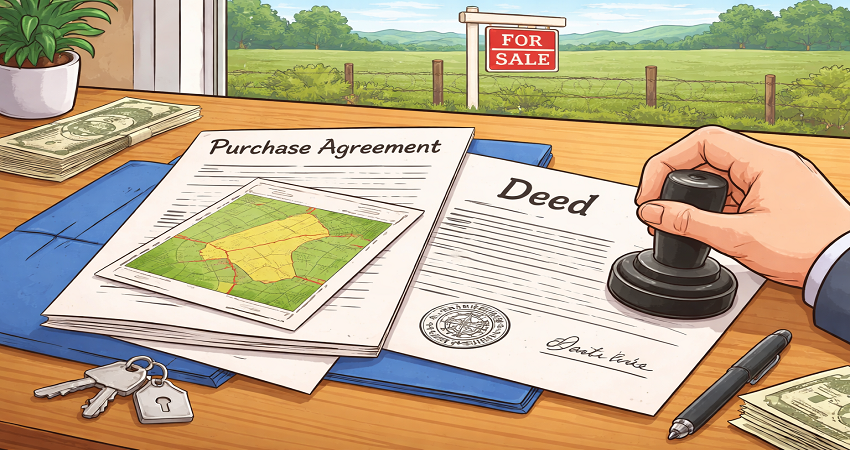
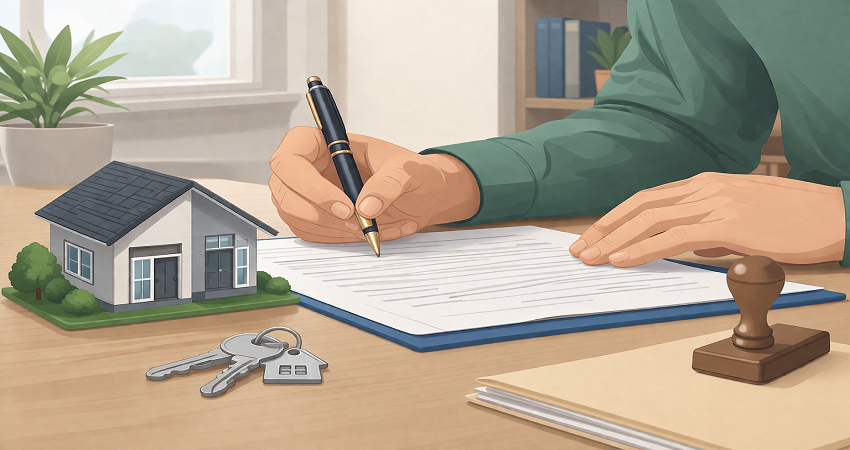
Buying land in New York can be an exciting investment opportunity, whether you are planning to build a home, start a business, or hold the property for future value appreciation.
However, unlike buying regular residential property, purchasing land involves a more detailed and careful documentation process. Many buyers underestimate the importance of paperwork, which can lead to legal complications, financial risks, or even loss of ownership.
New York has strict property laws, and every land transaction must be supported by a clear and legally valid paper trail. From verifying ownership to ensuring zoning compliance, each document plays a crucial role in protecting both the buyer and the seller. Understanding these requirements beforehand can save you time, money, and unnecessary stress.
In this guide, we will walk you through all the essential documents required to buy land in New York. Whether you are a first-time buyer or an experienced investor, this article will help you navigate the process smoothly and confidently.
Why Documentation Is Important When Buying Land?
Documentation is the foundation of any real estate transaction. When buying land in New York, proper paperwork ensures that the property is legally transferable, free from disputes, and compliant with local regulations. Without the right documents, you may face issues such as unclear ownership, unpaid taxes, or zoning violations.
These documents also protect your financial investment. They confirm that the seller has the legal right to sell the land and that there are no hidden liabilities attached to it. In short, proper documentation reduces risk and ensures a smooth transaction.
Purchase Agreement (Contract of Sale)
The purchase agreement, also known as the contract of sale, is one of the most important documents in the land-buying process. It outlines the terms and conditions agreed upon by both the buyer and the seller, including the purchase price, payment terms, closing date, and any contingencies.
This document is legally binding once signed by both parties. It also specifies what happens if either party fails to meet their obligations. Having a well-drafted contract ensures transparency and prevents future disputes.
Property Deed
The property deed is the legal document that transfers ownership of the land from the seller to the buyer. In New York, the most commonly used deeds include warranty deeds and quitclaim deeds. A warranty deed provides more protection as it guarantees that the seller has a clear title to the property.
Once the transaction is complete, the deed must be recorded with the county clerk’s office. This step officially recognizes you as the new owner of the land.
Title Report and Title Insurance
A title report is essential to verify that the property has a clean ownership history. It reveals important information such as previous owners, liens, encumbrances, and any legal claims against the land.
Title insurance protects you against any future claims or disputes related to ownership. Even after a thorough title search, hidden issues may arise, and this insurance provides financial protection against such risks.
Property Survey
A property survey provides a detailed map of the land, including its boundaries, dimensions, and any structures or easements. This document is crucial to ensure that you are purchasing exactly what is being advertised.
It also helps identify potential issues such as boundary disputes or encroachments. In many cases, lenders require a recent survey before approving financing.
Zoning and Land Use Documents
Zoning laws in New York determine how a piece of land can be used. Before purchasing land, it is essential to review zoning documents to ensure that your intended use aligns with local regulations.
For example, some areas may be designated for residential use only, while others may allow commercial or agricultural activities. Ignoring zoning restrictions can lead to legal problems and limit your development plans.
Environmental Reports
Environmental assessments are important, especially if the land was previously used for industrial or agricultural purposes. These reports identify potential contamination, soil conditions, and environmental hazards.
In New York, buyers often conduct a Phase I Environmental Site Assessment to evaluate any risks. If issues are found, further testing may be required. This step helps avoid costly cleanup responsibilities in the future.
Tax Records and Property Tax Information
Before buying land, it is important to review the property’s tax history. This includes checking for unpaid taxes, tax liens, or special assessments.
Understanding the annual property tax amount also helps you plan your long-term expenses. In New York, property taxes can vary significantly depending on the location and size of the land.
Financing Documents (If Applicable)
If you are financing your land purchase, you will need to provide various financial documents. These may include loan agreements, mortgage documents, proof of income, and credit reports.
Lenders often have stricter requirements for land loans compared to residential mortgages. Having all necessary documents ready can speed up the approval process.
Closing Statement (HUD-1 or Closing Disclosure)
The closing statement provides a detailed breakdown of all financial transactions involved in the purchase. It includes the purchase price, closing costs, taxes, and any adjustments.
This document ensures transparency and allows both parties to verify that all payments have been handled correctly before the deal is finalized.
Identification and Legal Documents
Buyers and sellers must provide valid identification, such as a government-issued ID or passport. In some cases, additional legal documents may be required, such as power of attorney if someone is acting on behalf of another party.
These documents confirm the identity of all parties involved and ensure that the transaction is legally valid.
FAQs About Documents Required To Buy Land In New York
1. Do I need a lawyer to buy land in New York?
Yes, hiring a real estate attorney is highly recommended in New York. They help review contracts, ensure all documents are accurate, and protect your legal interests throughout the transaction. Their expertise can prevent costly mistakes.
2. What is the most important document when buying land?
The property deed is the most important document because it legally transfers ownership. However, the purchase agreement and title report are equally critical as they ensure the transaction is valid and risk-free.
3. How do I verify land ownership?
You can verify ownership through a title search conducted by a title company or attorney. This process examines public records to confirm the seller’s legal right to sell the property.
4. Is title insurance necessary?
While not legally required, title insurance is strongly recommended. It protects you from future claims, disputes, or hidden issues related to the property’s ownership history.
5. What happens if there are unpaid property taxes?
If the land has unpaid taxes, they must usually be cleared before the sale is completed. In some cases, the buyer may negotiate with the seller to settle these debts as part of the closing process.
6. Can I buy land without a survey?
Technically, yes, but it is not advisable. A survey ensures that you understand the exact boundaries and avoids potential disputes with neighbors or future legal complications.
7. What is zoning, and why is it important?
Zoning determines how the land can be used. It is important because it affects your ability to build or develop the property according to your plans. Ignoring zoning laws can lead to restrictions or penalties.
8. Are environmental reports always required?
Not always, but they are highly recommended, especially for commercial or previously used land. These reports help identify risks such as contamination that could impact your investment.
9. How long does the documentation process take?
The timeline can vary depending on the complexity of the transaction. Typically, it may take several weeks to a few months to complete all documentation and finalize the purchase.
10. What are closing costs in a land purchase?
Closing costs include fees for legal services, title insurance, recording fees, taxes, and other administrative expenses. These costs are usually shared between the buyer and the seller.
Conclusion
Buying land in New York involves more than just selecting a property—it requires careful attention to documentation and legal procedures. Each document plays a vital role in ensuring that your investment is secure and free from complications.
By understanding and preparing the essential paperwork in advance, you can navigate the process with confidence and avoid common pitfalls. Whether you are purchasing land for personal use or investment purposes, having a clear and complete paper trail is the key to a successful transaction.