Buying land in Florida can be an exciting and rewarding investment, whether you are planning to build a home, start a business, or hold the property for future value appreciation. However, the process involves more than just selecting a piece of land and making a payment.
One of the most important aspects of land purchasing is ensuring that all required documents are properly prepared, verified, and submitted.
Many buyers, especially first-time investors, often overlook the importance of documentation. Missing or incorrect paperwork can lead to delays, legal complications, or even financial losses. Florida has a structured legal system for real estate transactions, and understanding the required documents will help you navigate the process smoothly.
In this comprehensive guide, we will walk you through the complete list of documents required to buy land in Florida. This article is designed to simplify the process, help you stay organized, and ensure that your transaction is secure and legally compliant.
Understanding the Importance of Documentation in Florida Land Purchase
Documentation plays a critical role in any real estate transaction. In Florida, these documents serve as legal proof of ownership, financial agreements, and compliance with state regulations. Without proper documentation, a land purchase cannot be legally recognized.
Each document ensures transparency between the buyer and seller. It helps confirm that the land is free from disputes, the seller has the legal right to sell, and the buyer understands the terms of the transaction. Proper documentation also protects both parties from fraud and future legal complications.
Purchase Agreement (Sales Contract)
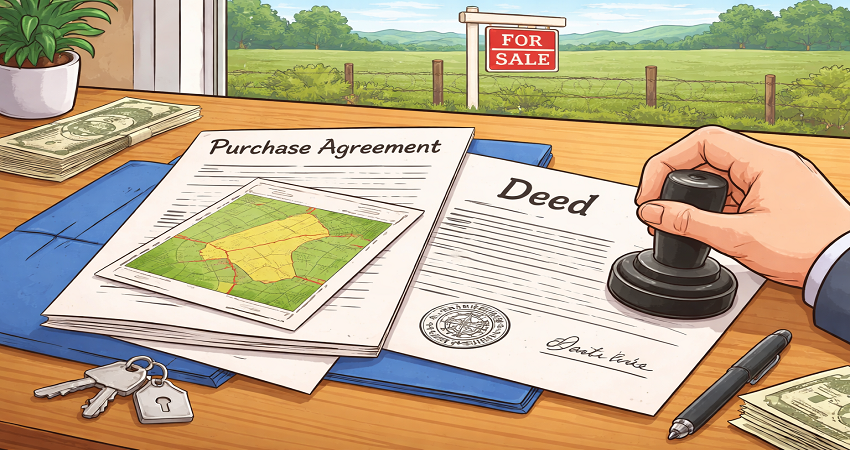
The purchase agreement is one of the most essential documents in a land transaction. It outlines the terms and conditions agreed upon by both the buyer and the seller. This includes the purchase price, payment structure, closing date, contingencies, and responsibilities of each party.
This legally binding contract ensures that both sides are committed to the deal. It also provides protection in case one party fails to fulfill their obligations. Buyers should carefully review this document before signing to avoid misunderstandings later.
Property Deed
The property deed is the document that transfers ownership from the seller to the buyer. In Florida, the most commonly used deeds are the warranty deed and the quitclaim deed. A warranty deed offers more protection as it guarantees that the seller has a clear title.
This document must be signed, notarized, and recorded in the county where the property is located. Once recorded, it becomes part of the public record, confirming your ownership of the land.
Title Report and Title Insurance
A title report is used to verify that the property has a clear title and is free from liens, disputes, or legal claims. It provides a detailed history of the property’s ownership.
Title insurance, on the other hand, protects the buyer against future claims or issues related to the title. Even after thorough checks, hidden problems may arise, and title insurance offers financial protection in such cases.
Government-Issued Identification
Both the buyer and seller must provide valid government-issued identification. This may include a passport, driver’s license, or state ID. These documents are necessary to verify the identity of the parties involved and prevent fraudulent transactions.
Notaries and legal authorities require proper identification to authenticate signatures and finalize the transaction.
Proof of Funds or Mortgage Approval
Buyers must demonstrate their financial ability to complete the purchase. If you are buying the land with cash, you will need to provide proof of funds, such as bank statements or financial letters.
If you are financing the purchase, a mortgage approval letter from a lender is required. This assures the seller that the buyer has secured the necessary funding.
Property Survey
A property survey defines the exact boundaries and dimensions of the land. It helps prevent disputes related to property lines and ensures that the land matches the description provided in the agreement.
This document is especially important when purchasing undeveloped land, as it confirms access points, easements, and potential encroachments.
Zoning and Land Use Documents
Zoning documents specify how the land can be used, whether for residential, commercial, agricultural, or industrial purposes. Buyers must review these documents to ensure that their intended use aligns with local regulations.
Failure to verify zoning laws can result in restrictions that limit your plans for the property.
Disclosure Forms
In Florida, sellers are required to disclose any known issues or defects related to the property. This includes environmental hazards, flooding risks, or structural concerns.
Disclosure forms provide transparency and help buyers make informed decisions. Reviewing these documents carefully can prevent unexpected problems after the purchase.
Environmental Reports
Environmental reports assess the condition of the land and identify any potential hazards such as contamination, wetlands, or protected areas. These reports are particularly important for commercial or large-scale land purchases.
Understanding environmental conditions ensures compliance with regulations and avoids costly remediation in the future.
Closing Statement (Settlement Statement)
The closing statement outlines all financial details of the transaction. It includes the purchase price, taxes, fees, and any adjustments made during closing.
This document provides a complete breakdown of costs and ensures that both parties agree on the final financial terms before completing the deal.
Property Tax Records
Property tax records show the current tax status of the land. Buyers should verify that all taxes have been paid and that there are no outstanding liabilities.
Unpaid taxes can become the responsibility of the new owner, so it is essential to review this information before finalizing the purchase.
Homeowners Association (HOA) Documents (If Applicable)
If the land is part of a community governed by a homeowners association, buyers must review HOA documents. These include rules, fees, and restrictions associated with the property.
Understanding HOA requirements helps avoid conflicts and ensures that you are comfortable with the community guidelines.
Power of Attorney (If Applicable)
In some cases, a buyer or seller may appoint someone to act on their behalf through a power of attorney. This legal document authorizes another individual to sign documents and complete the transaction.
It must be properly notarized and accepted by all parties involved in the transaction.
FAQs About Documents Required To Buy Land In Florida
1. Why is a purchase agreement important when buying land in Florida?
The purchase agreement outlines all terms of the transaction, including price, conditions, and responsibilities. It acts as a legal contract that protects both the buyer and seller, ensuring that the deal is transparent and enforceable.
2. What type of deed is best for land purchase in Florida?
A warranty deed is generally preferred because it provides the highest level of protection. It guarantees that the seller has a clear title and the legal right to transfer ownership without any hidden claims.
3. Is title insurance mandatory in Florida?
Title insurance is not legally required, but it is highly recommended. It protects buyers from future title disputes, liens, or claims that may arise after the purchase.
4. How can I verify the zoning of a property?
You can check zoning information through the local county zoning office or municipal planning department. This ensures that the land can be used for your intended purpose without restrictions.
5. What happens if property taxes are unpaid?
If property taxes are unpaid, the responsibility may transfer to the new owner. This is why reviewing tax records before purchase is essential to avoid unexpected financial burdens.
6. Do I need a property survey before buying land?
While not always mandatory, a property survey is highly recommended. It confirms boundaries, prevents disputes, and ensures that the land matches the legal description.
7. What is included in a closing statement?
The closing statement includes all financial aspects of the transaction, such as purchase price, fees, taxes, and adjustments. It provides a clear summary of the final costs involved.
8. Are disclosure forms required in all land transactions?
Yes, sellers are generally required to disclose known issues with the property. This helps buyers make informed decisions and reduces the risk of future disputes.
9. Can I buy land in Florida without a mortgage?
Yes, you can purchase land with cash. In such cases, you must provide proof of funds to demonstrate your ability to complete the transaction.
10. What role does a title report play in land purchase?
A title report verifies the ownership history of the property and identifies any liens or claims. It ensures that the property has a clear title before the transfer is completed.
Conclusion
Buying land in Florida involves a detailed process that requires careful attention to documentation. Each document serves a specific purpose, from verifying ownership to ensuring financial transparency and legal compliance.
By understanding and preparing the required documents, you can avoid common pitfalls and make your land purchase smooth and secure.
Whether you are a first-time buyer or an experienced investor, staying organized and informed is the key to a successful real estate transaction. Taking the time to review and verify each document will give you confidence and peace of mind as you move forward with your investment.