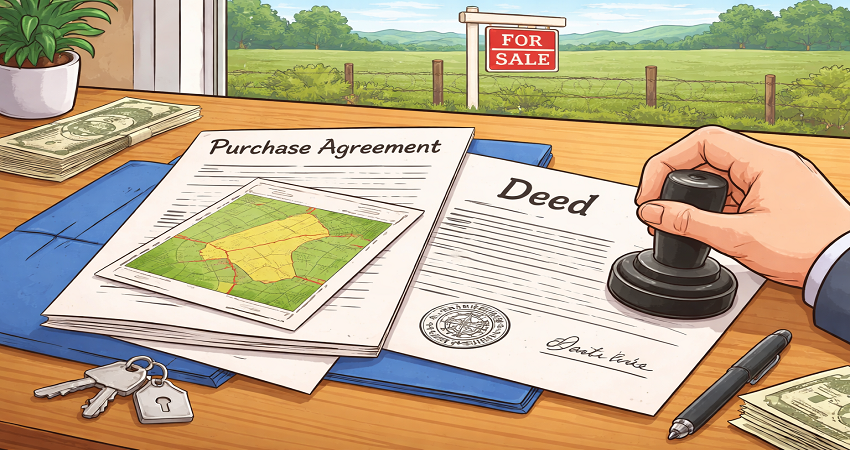
Buying land in California is an exciting yet complex process that requires careful planning, legal awareness, and proper documentation. Whether you are purchasing land for residential development, investment, or agricultural purposes, understanding the required paperwork is essential to ensure a smooth and legally compliant transaction. Missing even a single document can delay the closing process or lead to serious legal complications.
California has specific real estate laws and regulations that govern land purchases, making documentation a critical part of the process. From verifying ownership to ensuring zoning compliance, each document serves a unique purpose in protecting both the buyer and seller.
This guide will walk you through all the essential documents required to buy land in California, along with a comprehensive closing checklist to help you stay organized.
If you are planning to invest in land, this article will provide you with a clear roadmap, helping you avoid common pitfalls and complete your purchase with confidence.
Understanding the Importance of Documentation in Land Purchase
Documentation plays a vital role in any real estate transaction, especially when purchasing land. Unlike buying a house, vacant land often comes with fewer visible indicators of ownership or compliance. Proper documentation ensures that the land is legally transferable, free from disputes, and suitable for your intended use.
In California, legal requirements are strict, and every document contributes to verifying ownership, confirming land use permissions, and protecting your investment. Without proper paperwork, you risk facing legal disputes, financial loss, or development restrictions in the future.
Purchase Agreement
The purchase agreement is one of the most important documents in a land transaction. It outlines the terms and conditions agreed upon by both the buyer and seller, including the purchase price, payment terms, contingencies, and closing date.
This document acts as a legally binding contract and ensures that both parties are committed to completing the transaction under agreed terms. It also includes clauses related to inspections, financing, and potential penalties for breach of contract.
Preliminary Title Report
A preliminary title report is essential for verifying the legal ownership of the land. It provides details about the current owner, any liens, easements, or encumbrances associated with the property.
This report helps buyers identify potential issues such as unpaid taxes or legal disputes that could affect ownership. Reviewing the title report carefully ensures that the land can be transferred without complications.
Grant Deed
The grant deed is the document used to officially transfer ownership of the land from the seller to the buyer. It confirms that the seller has the legal right to sell the property and that there are no undisclosed claims against it.
Once signed and recorded with the county recorder’s office, the grant deed becomes the official proof of ownership for the buyer.
Natural Hazard Disclosure (NHD) Report
In California, sellers are required to provide a Natural Hazard Disclosure report. This document informs buyers whether the land is located in areas prone to natural hazards such as earthquakes, floods, wildfires, or landslides.
This information is crucial for assessing risks and determining whether additional insurance or precautions are necessary before development.
Property Tax Records
Property tax records provide information about the current tax status of the land. These records show whether taxes have been paid and if there are any outstanding dues.
Buyers should ensure that all property taxes are up to date to avoid inheriting unpaid liabilities after the purchase.
Zoning and Land Use Certificates
Zoning documents define how the land can be used, whether for residential, commercial, agricultural, or industrial purposes. These certificates are issued by local authorities and help buyers understand any restrictions or permissions associated with the property.
Before purchasing land, it is important to confirm that the zoning aligns with your intended use to avoid future complications.
Land Survey Report
A land survey report outlines the exact boundaries, dimensions, and physical features of the property. It helps prevent disputes with neighboring landowners and ensures that the land area matches what is stated in the agreement.
This document is especially important when planning construction or development on the land.
Environmental Reports
Environmental assessments may be required to evaluate potential contamination or ecological issues. These reports are particularly important for land that was previously used for industrial or agricultural purposes.
Understanding environmental conditions helps buyers avoid costly remediation and ensures compliance with environmental regulations.
Escrow Instructions
Escrow instructions outline the responsibilities of all parties involved in the transaction, including the buyer, seller, and escrow agent. These instructions ensure that funds and documents are handled securely and released only when all conditions are met.
Escrow acts as a neutral third party, providing protection and transparency during the closing process.
Closing Disclosure Statement
The closing disclosure statement provides a detailed breakdown of all costs involved in the transaction, including purchase price, taxes, fees, and other expenses.
This document ensures transparency and allows buyers to review and confirm all financial aspects before finalizing the deal.
Proof of Identity and Financial Documents
Buyers must provide valid identification and financial documentation, such as bank statements or loan approval letters. These documents verify the buyer’s identity and ability to complete the purchase.
Lenders may also require additional paperwork if financing is involved.
Title Insurance Policy
Title insurance protects buyers against potential future claims or disputes related to property ownership. It covers issues such as undiscovered liens, fraud, or errors in public records.
Although optional in some cases, title insurance is highly recommended for added security.
Final Closing Checklist
Before closing the deal, buyers should ensure that all documents are complete and verified. This includes reviewing the purchase agreement, confirming title clearance, checking zoning compliance, and verifying financial details.
Conducting a final review helps prevent last-minute surprises and ensures a smooth transfer of ownership.
FAQs About Documents Required To Buy Land In California
1. What is the most important document when buying land in California?
The purchase agreement is the most important document because it legally binds both parties to the terms of the transaction. It outlines all key details such as price, contingencies, and timelines, ensuring clarity and protection for both buyer and seller.
2. Why is a title report necessary?
A title report verifies ownership and reveals any liens or legal issues associated with the land. Without it, buyers risk purchasing property with unresolved claims or debts.
3. Do I need a land survey before buying?
Yes, a land survey is highly recommended. It confirms property boundaries and helps avoid disputes with neighbors, especially when planning construction or development.
4. What is a Natural Hazard Disclosure report?
This report informs buyers about potential environmental risks such as floods, earthquakes, or wildfires. It helps buyers make informed decisions and prepare for possible hazards.
5. Is title insurance mandatory?
Title insurance is not always mandatory, but it is strongly recommended. It protects buyers from future ownership disputes or hidden issues in property records.
6. What happens if property taxes are unpaid?
If property taxes are unpaid, the buyer may become responsible for them after the purchase. It is important to verify tax records before closing the deal.
7. Can I buy land without zoning verification?
Technically yes, but it is not advisable. Zoning laws determine how the land can be used, and ignoring them can lead to legal and financial problems later.
8. What role does escrow play in land purchase?
Escrow acts as a neutral third party that holds funds and documents until all conditions of the transaction are met. It ensures a secure and transparent process.
9. Are environmental reports always required?
Not always, but they are important for land with potential contamination risks. They help identify issues that could affect development or safety.
10. How can I ensure a smooth closing process?
To ensure a smooth closing, review all documents carefully, verify ownership and zoning, confirm financial details, and work with experienced professionals such as real estate agents and escrow officers.
Conclusion
Buying land in California requires careful attention to detail, especially when it comes to documentation. Each document plays a crucial role in ensuring that the transaction is legal, transparent, and free from future complications.
By understanding the required paperwork and following a proper closing checklist, buyers can confidently navigate the process and secure their investment.
Taking the time to verify every document not only protects your financial interests but also ensures that your land purchase aligns with your long-term goals.