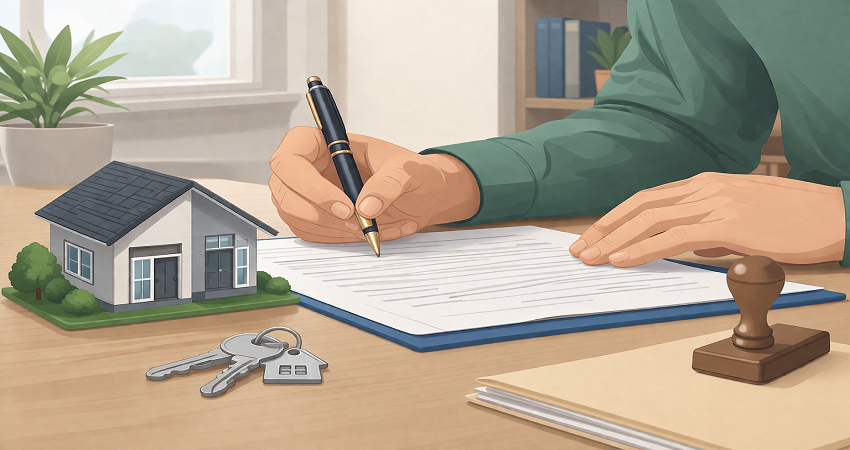
Buying land in Texas can be an exciting and rewarding investment, whether you’re planning to build a home, start a business, or hold the property for future value. However, one of the most important aspects of the process is understanding the documentation required to complete a legal and secure transaction. Missing or incorrect paperwork can lead to delays, disputes, or even financial loss.
Texas has a well-defined legal system for real estate transactions, but it still requires careful attention to detail—especially when it comes to notarized documents. Notary paperwork plays a crucial role in verifying identities, confirming consent, and ensuring that all parties involved are legally protected. Without proper documentation, your land purchase may not be recognized as valid.
In this guide, we will walk you through all the essential documents required to buy land in Texas, including key notary paperwork. Whether you are a first-time buyer or an experienced investor, this article will help you understand each step clearly and confidently.
Understanding the Importance of Documentation in Texas Land Purchase
When buying land in Texas, documentation is not just a formality—it is a legal necessity. Every document involved in the transaction serves a specific purpose, from verifying ownership to ensuring that the transfer of property is legitimate. Proper paperwork protects both the buyer and the seller, reducing the risk of disputes or fraud.
Texas law requires certain documents to be signed and notarized to confirm their authenticity. This ensures that all parties are acting willingly and that the information provided is accurate. Without these safeguards, the transaction may not be enforceable in court.
Purchase Agreement (Sales Contract)
The purchase agreement is the foundation of any land transaction. This legally binding document outlines the terms and conditions agreed upon by the buyer and seller. It includes details such as the purchase price, payment method, closing date, and any contingencies.
While a purchase agreement does not always require notarization, having it notarized can add an extra layer of legal protection. It ensures that both parties have willingly entered into the agreement and that their signatures are authentic.
Property Deed (Warranty Deed or Special Warranty Deed)
The property deed is one of the most critical documents in a land purchase. It officially transfers ownership of the property from the seller to the buyer. In Texas, common types of deeds include the General Warranty Deed and the Special Warranty Deed.
This document must be signed by the seller and notarized to be legally valid. The notary confirms the identity of the seller and verifies that the signing was done voluntarily. After notarization, the deed is recorded in the county clerk’s office to make the transfer public.
Title Commitment and Title Insurance Policy
A title commitment is a preliminary report that outlines the current status of the property’s title. It identifies any liens, encumbrances, or legal issues that may affect ownership. This document is usually provided by a title company before closing.
Title insurance protects the buyer against future claims or disputes related to the property’s title. While the title commitment itself may not require notarization, the final policy documents often involve notarized signatures during the closing process.
Closing Disclosure or Settlement Statement
The closing disclosure, also known as the settlement statement, provides a detailed breakdown of all financial aspects of the transaction. It includes the purchase price, closing costs, taxes, and any fees involved.
This document ensures transparency and helps both parties understand their financial obligations. Although notarization is not always required, it may be included as part of the closing process depending on the circumstances.
Affidavit of Title
The affidavit of title is a sworn statement provided by the seller. It confirms that the seller has the legal right to transfer ownership and that there are no undisclosed issues with the property.
This document must be notarized, as it is a legal declaration made under oath. The notary verifies the identity of the seller and ensures that the statement is signed voluntarily and truthfully.
Loan Documents (If Financing Is Involved)
If you are purchasing land using a loan, you will need to complete several additional documents. These may include the promissory note, deed of trust, and loan agreement.
Most loan documents require notarization to confirm the borrower’s identity and agreement to the terms. This step is crucial for the lender to secure their interest in the property.
Survey Report and Property Description
A survey report provides a detailed description of the property’s boundaries and dimensions. It helps prevent disputes with neighboring properties and ensures that you know exactly what you are purchasing.
While the survey itself does not require notarization, it is often referenced in other legal documents that do. Accurate property descriptions are essential for recording the deed correctly.
Tax Certificates and Proof of Payment
Before completing a land purchase, it is important to verify that all property taxes have been paid. Tax certificates provide proof that there are no outstanding tax liabilities on the property.
These documents help protect the buyer from inheriting unpaid taxes. In some cases, notarization may be required for certain tax-related affidavits.
Notary Public’s Role in Land Transactions
A notary public plays a vital role in ensuring the integrity of the transaction. They verify the identities of the parties involved, witness the signing of documents, and confirm that all signatures are made willingly.
Notarization helps prevent fraud and ensures that documents are legally enforceable. In Texas, many key documents—such as deeds, affidavits, and loan agreements—must be notarized to be valid.
Recording the Documents with the County Clerk
After all documents are signed and notarized, they must be recorded with the county clerk’s office where the property is located. This step makes the transaction part of the public record.
Recording ensures that the buyer’s ownership is legally recognized and protected. It also provides transparency for future transactions involving the property.
Common Mistakes to Avoid When Preparing Documents
One of the most common mistakes is failing to notarize required documents. This can delay the closing process or invalidate the transaction. Another mistake is providing incorrect or incomplete information, which can lead to legal complications.
It is also important to review all documents carefully before signing. Working with a qualified real estate attorney or title company can help you avoid these issues and ensure a smooth transaction.
FAQs About Documents Required To Buy Land In Texas
1. Why is notarization important when buying land in Texas?
Notarization is important because it verifies the identity of the individuals signing the documents and ensures that they are doing so willingly. This helps prevent fraud and makes the documents legally enforceable in court.
2. What is the most important document in a land purchase?
The property deed is the most important document because it officially transfers ownership from the seller to the buyer. Without a properly executed and notarized deed, the transaction is not legally complete.
3. Do all documents need to be notarized?
No, not all documents require notarization. However, key documents such as the deed, affidavit of title, and loan agreements typically must be notarized to be legally valid.
4. What happens if a document is not notarized?
If a required document is not notarized, it may be considered invalid or unenforceable. This can delay the transaction or lead to legal disputes in the future.
5. Can I notarize documents myself?
No, you cannot notarize your own documents. A notary public must be an impartial third party who verifies the identity of the signers and witnesses the signing process.
6. What is an affidavit of title?
An affidavit of title is a sworn statement by the seller confirming that they have the legal right to sell the property and that there are no undisclosed issues affecting ownership.
7. How do I verify property taxes before buying land?
You can verify property taxes by obtaining tax certificates or contacting the local tax assessor’s office. This ensures that there are no outstanding tax liabilities on the property.
8. What role does a title company play?
A title company conducts a title search, provides title insurance, and helps facilitate the closing process. They ensure that the property’s title is clear and free of legal issues.
9. Is a survey necessary when buying land?
While not always mandatory, a survey is highly recommended. It provides accurate information about the property’s boundaries and helps prevent disputes with neighboring landowners.
10. What happens after the documents are signed?
After signing and notarizing the documents, they are recorded with the county clerk’s office. This step officially registers the transaction and confirms the buyer’s ownership.
Conclusion
Buying land in Texas involves a series of important legal steps, and proper documentation is at the heart of the process. From the purchase agreement to the notarized deed, each document plays a critical role in ensuring a secure and valid transaction. Understanding these requirements can help you avoid costly mistakes and make the process smoother.
By working with professionals, reviewing documents carefully, and ensuring proper notarization, you can confidently complete your land purchase and protect your investment for the future.