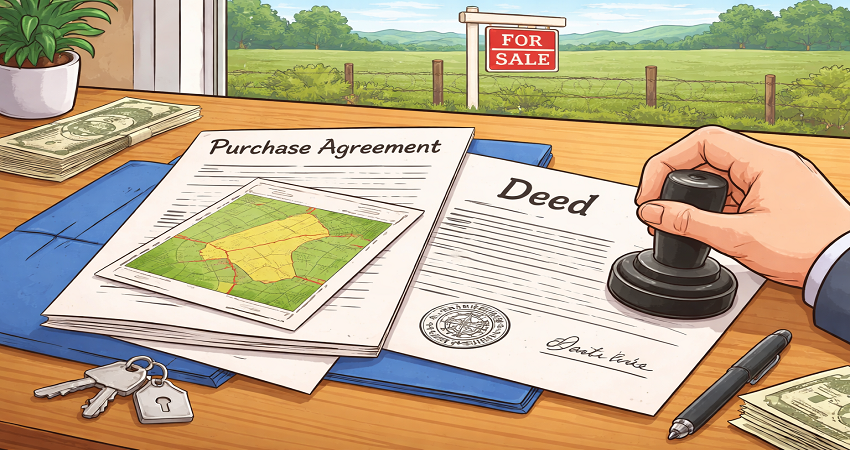
Buying land in Washington State is an exciting step, whether you’re planning to build a home, invest in property, or expand your real estate portfolio. However, the process is not as simple as signing a contract and making a payment. It involves a series of legal checks, documentation, and compliance requirements that ensure the transaction is valid, secure, and free from disputes.
Understanding the documents required to buy land in Washington is essential for both first-time buyers and experienced investors. Missing or incorrect paperwork can lead to delays, legal complications, or even financial loss. That’s why it’s important to approach the process with clarity and preparation.
In this guide, we’ll walk you through all the mandatory legal documents required to buy land in Washington. From title verification to closing paperwork, everything is explained in a simple and practical way so you can confidently move forward with your land purchase.
Purchase and Sale Agreement
The Purchase and Sale Agreement is one of the most important documents in any land transaction. This legally binding contract outlines the terms and conditions agreed upon by both the buyer and seller. It includes details such as the purchase price, property description, contingencies, and closing date.
In Washington, this agreement protects both parties by clearly defining expectations. It also includes clauses related to inspections, financing, and dispute resolution. Before signing, it’s crucial to review this document carefully or consult a real estate attorney to ensure all terms are fair and accurate.
Title Report and Title Insurance
A Title Report provides a detailed history of the property’s ownership and highlights any existing liens, encumbrances, or legal claims. This document ensures that the seller has the legal right to transfer ownership.
Title Insurance, on the other hand, protects the buyer from future claims or disputes over property ownership. In Washington, it’s highly recommended to obtain title insurance to safeguard your investment. Without it, you could face unexpected legal challenges after the purchase.
Deed (Statutory Warranty Deed or Quitclaim Deed)
The Deed is the legal document that transfers ownership of the property from the seller to the buyer. In Washington, the most common types are the Statutory Warranty Deed and the Quitclaim Deed.
A Statutory Warranty Deed offers the highest level of protection, guaranteeing that the property is free from undisclosed claims. A Quitclaim Deed, however, transfers ownership without warranties, meaning the buyer assumes more risk. Choosing the right type of deed is crucial for legal security.
Property Disclosure Statement
In Washington, sellers are required to provide a Property Disclosure Statement. This document informs the buyer about the condition of the property, including any known issues such as environmental hazards, zoning restrictions, or structural concerns.
This disclosure helps buyers make informed decisions and reduces the risk of future disputes. Always review this document thoroughly and consider conducting independent inspections if necessary.
Financing Documents (If Applicable)
If you are financing your land purchase through a loan, several financial documents will be required. These may include a loan agreement, mortgage documents, and proof of income or creditworthiness.
Lenders in Washington will assess your financial stability before approving the loan. Make sure all documents are accurate and complete to avoid delays in the approval process.
Earnest Money Agreement
The Earnest Money Agreement is a document that confirms the buyer’s serious intent to purchase the property. It involves a deposit that is held in escrow until the transaction is completed.
This document outlines the conditions under which the deposit may be refunded or forfeited. It acts as a financial commitment and provides assurance to the seller that the buyer is genuine.
Escrow Documents
Escrow documents are handled by a neutral third party, known as an escrow agent. These documents include instructions for holding funds, managing paperwork, and ensuring that all conditions of the sale are met before closing.
In Washington, escrow services play a vital role in maintaining transparency and security during the transaction. The escrow agent ensures that funds are only released when all contractual obligations are fulfilled.
Survey and Property Boundary Documents
A land survey provides accurate information about property boundaries, dimensions, and any existing structures. This is especially important when buying land, as boundary disputes can lead to legal complications.
Survey documents help confirm that the property matches the description in the agreement. They also identify easements or encroachments that could affect your use of the land.
Zoning and Land Use Documents
Zoning documents outline how the land can be used, whether for residential, commercial, agricultural, or other purposes. In Washington, local zoning laws vary by county and city.
Before purchasing land, it’s essential to verify that the property aligns with your intended use. These documents help you avoid restrictions that could limit your plans.
Tax Records and Property Tax Statement
Property tax records provide information about the current and past tax status of the land. This includes any unpaid taxes or assessments that may be attached to the property.
Reviewing tax documents ensures that there are no outstanding liabilities that could transfer to you as the new owner. It also helps you understand the ongoing financial responsibilities of owning the land.
Closing Statement (Settlement Statement)
The Closing Statement is a detailed summary of all financial transactions involved in the purchase. It includes the purchase price, closing costs, taxes, and any adjustments.
This document is finalized at the closing stage and must be reviewed carefully. It ensures that all financial aspects of the transaction are transparent and accurate.
Identification and Legal Verification Documents
Buyers are required to provide valid identification, such as a government-issued ID or passport. These documents are used to verify identity and prevent fraud during the transaction.
In some cases, additional legal verification may be required, especially for international buyers or complex transactions.
Environmental and Inspection Reports
Environmental reports assess potential risks such as soil contamination, flood zones, or protected land status. Inspection reports evaluate the physical condition of the property.
These documents are not always mandatory but are highly recommended to ensure that the land is safe and suitable for your intended use.
FAQs About Documents Required To Buy Land In Washington
1. Why is a Purchase and Sale Agreement important when buying land?
The Purchase and Sale Agreement is essential because it legally binds both the buyer and seller to the agreed terms. It clearly defines the purchase price, timelines, and conditions, reducing the risk of misunderstandings. Without this document, there is no formal structure to the transaction, which can lead to disputes or failed deals.
2. What does a Title Report reveal?
A Title Report reveals the ownership history of the property and identifies any liens, claims, or restrictions. It ensures that the seller has the legal right to sell the land. This document is crucial for avoiding future legal complications related to ownership.
3. Is Title Insurance mandatory in Washington?
Title Insurance is not legally mandatory, but it is strongly recommended. It protects buyers from financial loss due to hidden defects in the title, such as undisclosed heirs or errors in public records. Most buyers choose to obtain it for added security.
4. What is the difference between a Warranty Deed and a Quitclaim Deed?
A Warranty Deed guarantees that the property is free from any undisclosed issues, providing strong protection to the buyer. A Quitclaim Deed, however, transfers ownership without guarantees, meaning the buyer takes on more risk. The choice depends on the level of trust and the nature of the transaction.
5. Why is a Property Disclosure Statement required?
The Property Disclosure Statement ensures transparency by informing buyers about known issues with the property. It helps buyers make informed decisions and reduces the likelihood of disputes after the sale. Sellers are legally required to provide this document in Washington.
6. What role does an escrow agent play?
An escrow agent acts as a neutral third party who manages funds and documents during the transaction. They ensure that all conditions are met before releasing payments and finalizing the deal. This adds a layer of security and trust for both parties.
7. Do I need a land survey before buying property?
While not always mandatory, a land survey is highly recommended. It confirms property boundaries and identifies any encroachments or easements. This helps prevent disputes with neighbors and ensures that you know exactly what you are purchasing.
8. How do zoning laws affect land purchases?
Zoning laws determine how the land can be used, such as for residential or commercial purposes. If the zoning does not match your intended use, you may face restrictions or need special permits. Checking zoning documents is essential before buying land.
9. What are closing costs in a land purchase?
Closing costs include various fees such as escrow charges, title insurance, taxes, and administrative costs. These are detailed in the Closing Statement and must be paid before the transaction is finalized. Understanding these costs helps you budget effectively.
10. Can I buy land without financing documents?
Yes, if you are purchasing land with cash, financing documents are not required. However, if you are using a loan, you must provide all necessary financial paperwork. The requirements depend on your lender and financial situation.
Conclusion
Buying land in Washington involves more than just choosing a property—it requires careful attention to legal documentation and compliance.
Each document plays a critical role in ensuring a secure and transparent transaction. From the Purchase and Sale Agreement to the Closing Statement, every step is designed to protect both the buyer and seller.
By understanding and preparing these mandatory legal documents in advance, you can avoid unnecessary delays and complications. Whether you’re a first-time buyer or an experienced investor, being well-informed will help you make confident and successful land purchase decisions in Washington State.