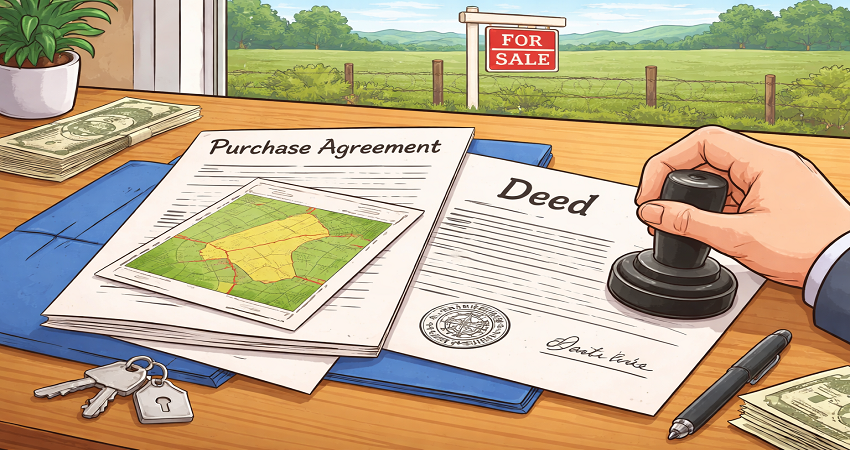
Buying or owning property in Florida can be an exciting milestone, whether you are a first-time homebuyer, an investor, or someone relocating to the Sunshine State. However, one of the most critical steps after acquiring property is ensuring that it is legally registered in your name.
Property registration is not just a formality—it provides legal proof of ownership and protects your rights against disputes, fraud, or future complications.
Many people assume that registering property in Florida is a complicated and time-consuming process. In reality, the system is designed to be efficient, transparent, and relatively straightforward when you understand the steps involved.
By following the correct procedures and preparing the necessary documents in advance, you can complete the registration process quickly and securely.
This guide will walk you through the easy property registration process in Florida, explaining each step in simple terms. Whether you are handling the process yourself or working with professionals, this article will help you navigate the system with confidence and ensure your property is properly secured.
Understanding Property Registration in Florida
Property registration in Florida involves officially recording a property transaction with the county clerk’s office. This ensures that the ownership transfer is recognized by law and becomes part of the public record. Once registered, the property deed serves as legal evidence that you are the rightful owner.
Florida follows a decentralized system, meaning property records are maintained at the county level rather than a central authority. Each county clerk’s office is responsible for recording deeds, mortgages, and other related documents.
Why Property Registration Is Important?
Registering your property provides several key benefits. First, it protects your ownership rights by making your claim publicly recognized. This prevents others from falsely claiming ownership. Second, it ensures compliance with state laws, reducing the risk of legal disputes in the future.
Additionally, proper registration allows you to sell, transfer, or mortgage the property without complications. Without registration, proving ownership can become difficult, especially in legal or financial matters.
Key Documents Required for Property Registration
Before starting the registration process, you need to gather essential documents. These typically include the property deed, proof of identity, purchase agreement, and any applicable mortgage documents. In Florida, the deed must clearly state the names of the buyer and seller, the property description, and the transfer details.
You may also need to provide a notarized signature and witness verification. Ensuring that all documents are accurate and complete will help avoid delays during the registration process.
Step-by-Step Property Registration Process in Florida
The property registration process in Florida can be broken down into a few simple steps. First, the seller prepares and signs the deed transferring ownership to the buyer. The buyer then reviews the document to ensure all details are correct.
Next, the deed must be notarized and signed in the presence of witnesses. Once completed, the document is submitted to the county clerk’s office for recording. After payment of the required fees, the clerk officially records the deed, making it part of the public record.
Role of the County Clerk’s Office
The county clerk’s office plays a crucial role in property registration. It is responsible for reviewing the submitted documents, verifying compliance with legal requirements, and recording the transaction. Once recorded, the office provides a copy of the registered deed as proof of ownership.
This office also maintains a database of property records that can be accessed by the public. This transparency helps ensure trust and accountability in property transactions.
Understanding Recording Fees and Taxes
Property registration in Florida involves certain fees and taxes. These typically include recording fees, documentary stamp taxes, and intangible taxes (if applicable). The amount varies depending on the property value and location.
It is important to calculate these costs in advance so that you can budget accordingly. Paying the correct fees ensures that your registration process is completed without delays.
Importance of Title Search Before Registration
A title search is a crucial step before registering a property. It involves reviewing the property’s history to ensure there are no outstanding liens, disputes, or ownership issues. Conducting a title search helps identify potential problems that could affect your ownership rights.
Many buyers choose to work with title companies or real estate attorneys to perform this search. This step adds an extra layer of security to your property investment.
Hiring a Real Estate Attorney or Title Company
While it is possible to register property on your own, many individuals prefer to hire professionals for assistance. Real estate attorneys and title companies can guide you through the process, prepare documents, and ensure compliance with legal requirements.
Although this may involve additional costs, it can save time and reduce the risk of errors. Professional assistance is especially helpful for complex transactions or first-time buyers.
Common Mistakes to Avoid During Registration
One common mistake is submitting incomplete or incorrect documents. Even minor errors can lead to delays or rejection. Another issue is failing to notarize the deed properly, which is a legal requirement in Florida.
Additionally, some buyers overlook the importance of a title search, which can result in unexpected legal issues later. Being aware of these mistakes can help you avoid unnecessary complications.
How Long Does Property Registration Take?
The time required for property registration in Florida depends on the county and workload of the clerk’s office. In most cases, the process can be completed within a few days to a couple of weeks.
Submitting accurate documents and paying fees promptly can significantly speed up the process. Some counties also offer expedited services for faster processing.
Digital and Online Registration Options
Many Florida counties now offer online services for property registration. These digital platforms allow you to submit documents electronically, track your application status, and receive updates.
Online registration is convenient and can reduce processing time. However, you must ensure that all digital documents meet the required standards and formats.
Ensuring Security After Registration
Once your property is registered, it is important to keep your documents safe. Store copies of the deed and related paperwork in a secure location. You may also consider digital backups for added protection.
Monitoring your property records periodically can help detect any unauthorized changes or fraudulent activities. Staying proactive ensures long-term security for your investment.
FAQs About Easy Property Registration Process In Florida
1. What is property registration in Florida?
Property registration is the process of recording a property transaction with the county clerk’s office. It legally establishes ownership and ensures that the transfer is recognized by law. This step is essential for protecting your rights and avoiding disputes.
2. Is property registration mandatory in Florida?
Yes, registering your property is necessary to establish legal ownership. Without registration, your ownership may not be officially recognized, which can create complications in legal or financial situations.
3. How much does it cost to register property in Florida?
The cost varies depending on factors such as property value and location. It typically includes recording fees and taxes like documentary stamp tax. Checking with your local county clerk’s office will give you an accurate estimate.
4. Can I register property without a lawyer?
Yes, you can complete the process самостоятельно if you understand the requirements. However, hiring a lawyer or title company can help ensure accuracy and reduce the risk of errors.
5. What documents are required for registration?
You will need the property deed, proof of identity, purchase agreement, and any mortgage-related documents. The deed must be properly signed, notarized, and witnessed.
6. How long does the registration process take?
The process usually takes a few days to a couple of weeks, depending on the county. Faster processing is possible if all documents are correctly submitted.
7. What happens if I don’t register my property?
Failure to register your property can lead to legal issues, including difficulty proving ownership. It may also create problems when selling or transferring the property in the future.
8. What is a title search and why is it important?
A title search examines the property’s history to ensure there are no liens or disputes. It helps protect you from hidden issues that could affect your ownership rights.
9. Can property registration be done online?
Yes, many counties in Florida offer online registration services. These platforms allow you to submit documents electronically and track your application status.
10. How can I ensure my property is secure after registration?
Keep your documents safe, monitor property records, and consider digital backups. Staying vigilant helps prevent fraud and ensures long-term security.
Conclusion
The property registration process in Florida is designed to be efficient and accessible, making it easier for property owners to secure their investments.
By understanding the steps, preparing the necessary documents, and avoiding common mistakes, you can complete the process smoothly and without unnecessary delays.
Whether you choose to handle the process yourself or seek professional assistance, proper registration is essential for protecting your ownership rights. Taking the time to complete this step ensures peace of mind and sets a strong foundation for your property journey in Florida.