Buying or transferring property is a significant milestone, and ensuring that the registration process is completed correctly is essential for legal ownership. In Washington, the property registration process is designed to be structured, transparent, and efficient, helping both buyers and sellers complete transactions smoothly.
However, for many individuals, especially first-time property buyers or investors, the process can seem confusing due to legal documentation, recording procedures, and compliance requirements. Understanding each step in detail can save time, reduce stress, and prevent costly mistakes.
This guide explains the easy property registration process in Washington in a clear and practical way. Whether you are purchasing residential property, transferring ownership, or handling inherited property, this article will help you navigate the entire process efficiently.
Understanding Property Registration in Washington
Property registration in Washington refers to the legal recording of ownership and transfer of real estate with the county recorder’s office. This process ensures that the ownership of the property is officially recognized and documented in public records.
The system helps protect property rights, prevent disputes, and provide transparency in real estate transactions. Once registered, the property details become accessible for legal verification, taxation, and future transactions.
Why Property Registration is Important?
Registering property is not just a legal formality; it plays a crucial role in protecting ownership rights. Without proper registration, ownership claims may not be enforceable in legal disputes.
It also ensures that the buyer has a clear title, meaning there are no hidden claims, liens, or disputes attached to the property. Additionally, registered properties are necessary for obtaining loans, selling the property in the future, and paying accurate property taxes.
Types of Property Transfers in Washington
There are several types of property transfers that require registration in Washington. The most common include sales transactions, where a buyer purchases property from a seller, and gift transfers, where ownership is transferred without monetary exchange.
Other types include inheritance transfers, where property is passed down through a will or estate, and quitclaim deeds, which are often used among family members or in divorce settlements. Each type has its own documentation requirements but follows a similar registration process.
Documents Required for Property Registration
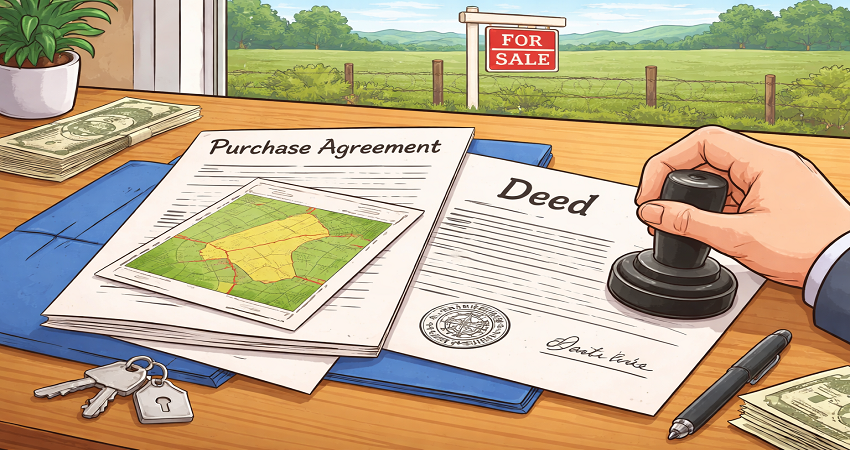
Proper documentation is essential for a smooth registration process. The most important document is the deed, which legally transfers ownership from the seller to the buyer. Common types of deeds include warranty deeds and quitclaim deeds.
Other required documents may include a property title report, identification documents of the parties involved, tax affidavits, and proof of payment. In some cases, additional disclosures and agreements may also be required depending on the nature of the transaction.
Step-by-Step Property Registration Process
The property registration process in Washington typically begins with the preparation of the deed. This document must be accurately completed with details of the buyer, seller, property description, and transaction terms.
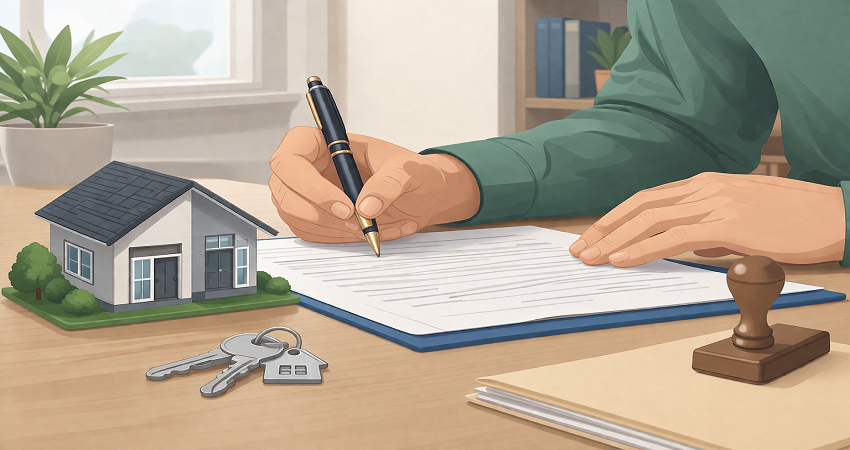
Next, the deed must be signed by the involved parties and notarized. Notarization ensures that the signatures are authentic and legally valid. After this, the document is submitted to the county recorder’s office where the property is located.
The county office reviews the documents, collects the required recording fees, and officially records the transaction. Once recorded, the ownership is legally transferred, and the updated records become part of the public database.
Recording Fees and Taxes
When registering property in Washington, certain fees and taxes must be paid. The most common is the recording fee charged by the county, which varies depending on the number of pages in the document.
In addition, a Real Estate Excise Tax (REET) may apply to property sales. The tax amount depends on the sale price of the property and the applicable state and local rates. Understanding these costs in advance can help avoid surprises during the transaction.
Role of Title Companies and Attorneys
Many buyers and sellers choose to work with title companies or real estate attorneys to simplify the registration process. Title companies conduct title searches to ensure there are no legal issues with the property.
They also assist in preparing documents, handling payments, and ensuring that the registration process is completed correctly. Attorneys, on the other hand, provide legal advice and help resolve complex issues such as disputes or unclear ownership.
Common Mistakes to Avoid
One of the most common mistakes in property registration is submitting incomplete or incorrect documents. Errors in property descriptions, names, or signatures can delay the process or lead to rejection.
Another mistake is failing to verify the title before purchase, which can result in unexpected legal issues. Not paying required taxes or fees on time can also create complications. Careful attention to detail and proper guidance can help avoid these problems.
Tips for Efficient Property Filing
To ensure a smooth and efficient property registration process, it is important to prepare all documents in advance and double-check for accuracy. Working with professionals such as title companies can save time and reduce risks.
Submitting documents early and understanding local county requirements can also help speed up the process. Keeping copies of all records and receipts is essential for future reference and legal protection.
FAQs About Easy Property Registration Process In Washington
1. What is the main purpose of property registration in Washington?
The main purpose of property registration is to legally document ownership and ensure that the property transfer is recognized by law. It provides transparency, protects ownership rights, and helps prevent disputes over property claims.
2. How long does the property registration process take?
The process can vary depending on the county and the completeness of documents. In most cases, it takes a few days to a couple of weeks for the documents to be reviewed and officially recorded.
3. Can I register property without a lawyer?
Yes, it is possible to register property without a lawyer. However, working with a legal professional or title company is recommended to ensure accuracy and avoid potential legal issues.
4. What happens if a property is not registered?
If a property is not registered, the ownership may not be legally recognized. This can lead to disputes, difficulty in selling the property, and challenges in proving ownership in court.
5. Are recording fees the same across all counties?
No, recording fees can vary slightly between counties in Washington. It is important to check with the local county recorder’s office for the exact fee structure.
6. What is a deed in property registration?
A deed is a legal document that transfers ownership of property from one party to another. It includes details such as the names of the parties, property description, and terms of the transfer.
7. Is notarization mandatory for property documents?
Yes, notarization is typically required to verify the authenticity of signatures on property documents. It ensures that the transaction is legally valid and recognized.
8. What is the Real Estate Excise Tax (REET)?
The Real Estate Excise Tax is a tax applied to the sale of real property in Washington. The rate depends on the sale price and may include both state and local components.
9. Can property be transferred as a gift?
Yes, property can be transferred as a gift using a deed. However, proper documentation and registration are still required to make the transfer legally valid.
10. How can I ensure a smooth registration process?
To ensure a smooth process, prepare all documents carefully, verify property details, pay all required fees on time, and consider working with professionals such as title companies or attorneys.
Conclusion
The property registration process in Washington is straightforward when you understand the steps and requirements involved. From preparing documents to recording the deed, each stage plays a vital role in securing legal ownership.
By following the correct procedures, avoiding common mistakes, and seeking professional assistance when needed, you can complete property registration efficiently and with confidence. Proper registration not only protects your investment but also ensures peace of mind for future transactions.