Load shedding has become a major concern for many households and businesses across South Africa. While backup generators have traditionally been used to keep essential appliances running, many people are now exploring off-grid solar systems as a cleaner, quieter, and more sustainable energy solution. A properly designed solar setup can provide reliable electricity during power interruptions while reducing dependence on the national grid.
An off-grid solar system is more than simply installing a few solar panels on a roof. It requires careful planning of electricity usage, battery storage capacity, inverter selection, solar panel sizing, installation quality, and future expansion needs. Understanding these factors helps homeowners avoid costly mistakes and choose a system that matches their real energy requirements.
This guide explains the complete cost of an off-grid solar setup in South Africa, how installers design these systems, what components are required, and what practical considerations should be taken into account before making an investment.
What Is an Off-Grid Solar System?
An off-grid solar system is a complete electricity solution that operates independently from the Eskom grid or municipal electricity supply. It uses solar panels to generate power, batteries to store unused energy, and an inverter to convert stored electricity into usable power for household appliances.
Unlike a grid-tied solar system, an off-grid setup can continue working during a power outage because it does not rely on the external electricity network. This makes it particularly useful in areas affected by frequent load shedding or locations where grid electricity is unreliable or unavailable.
Why South Africans Are Choosing Off-Grid Solar For Load Shedding?
The increasing frequency of electricity interruptions has encouraged many South African households to look for long-term energy independence. Solar power provides an alternative that can protect essential appliances such as refrigerators, lights, Wi-Fi routers, security systems, and home office equipment during outages.
Another important advantage is energy control. With a correctly sized solar installation, homeowners can produce their own electricity during daylight hours and store excess power for evening use. Over time, this can reduce electricity costs and provide more predictable energy management.
Main Components of an Off-Grid Solar Setup
A professional solar installation includes several important components that work together as one system. Each component affects performance, reliability, and overall cost.
Solar Panels
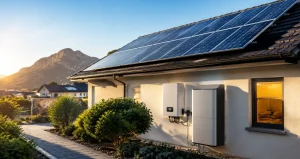
Solar panels capture sunlight and convert it into electrical energy. The number of panels required depends on household electricity consumption, available roof space, location, and sunlight conditions. South Africa generally has excellent solar resources, making solar panels highly effective in many regions.
Solar Inverter
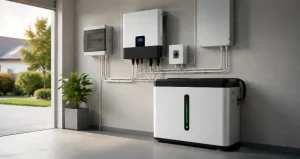
The inverter is the control centre of the solar system. It converts direct current electricity from solar panels and batteries into alternating current electricity used by household appliances. Quality inverters also manage battery charging, system monitoring, and load distribution.
Battery Storage
Batteries store solar energy for use when the sun is unavailable or during load shedding periods. Lithium-ion batteries are becoming popular in South Africa because they offer longer lifespans, faster charging, and better efficiency compared with older battery technologies.
Mounting Equipment and Protection Systems
A complete installation also requires mounting structures, electrical protection equipment, wiring, monitoring devices, and safety components. These items may not receive as much attention as panels and batteries, but they are essential for system safety and long-term performance.
Complete Off-Grid Solar Setup Cost in South Africa
The cost of an off-grid solar system in South Africa depends mainly on electricity requirements and battery capacity. A small backup system designed for essential appliances will cost significantly less than a complete household solution that powers most appliances.
A basic off-grid solar setup for lights, internet equipment, small electronics, and essential appliances may start from approximately R60,000 to R120,000. A medium-sized household system with larger battery storage and additional solar panels can range between R150,000 and R300,000. Larger homes requiring near-complete energy independence may require systems above R350,000.
These figures are general estimates because every property has different energy needs. A professional installer should calculate your daily electricity consumption before recommending equipment.
How Solar Installers Calculate the Right System Size?
Experienced solar installers usually begin with an energy audit. This involves checking electricity bills, identifying important appliances, measuring average daily usage, and understanding how long backup power is needed during outages.
For example, a homeowner who only needs power for lights, security cameras, a router, and a refrigerator will require a much smaller system than someone who wants to run an electric stove, geyser, pool pump, and air conditioner.
A common mistake is purchasing a system based only on the number of solar panels. Battery storage and inverter capacity are equally important because they determine how much power can be used when sunlight is unavailable.
Choosing a Reliable Solar Installer in South Africa
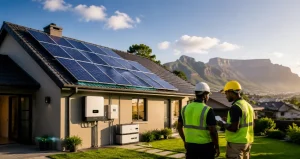
Selecting the right installer is one of the most important decisions in a solar project. A good installer should provide a detailed quotation explaining equipment specifications, installation costs, warranties, and expected system performance.
Homeowners should look for installers with relevant electrical qualifications, experience with similar projects, and a strong reputation. A professional installer should also explain maintenance requirements and provide guidance on safe system operation.
Common Mistakes to Avoid When Installing Off-Grid Solar
One common mistake is buying an undersized system to save money initially. While a cheaper installation may appear attractive, insufficient battery capacity or inverter power can lead to frustration during extended load shedding periods.
Another mistake is ignoring future electricity needs. Families often add new appliances, electric vehicles, or home office equipment later. Choosing a system that allows expansion can save significant costs in the future.
Maintenance Requirements for Off-Grid Solar Systems
Modern solar systems require relatively low maintenance, but regular checks help maintain efficiency. Solar panels should be kept clean, battery health should be monitored, and electrical connections should be inspected periodically by qualified professionals.
Many modern inverters include monitoring applications that allow homeowners to view solar production, battery levels, and electricity usage. This information helps identify problems early and improve energy management.
FAQs About Off-Grid Solar in South Africa
1. How much does an off-grid solar system cost in South Africa?
The cost varies depending on the size of the home, electricity usage, battery capacity, and equipment quality. Small systems may cost around R60,000, while larger household systems can exceed R300,000. A professional assessment is needed to determine the correct investment for each property.
2. Can off-grid solar completely replace Eskom electricity?
Yes, a properly designed off-grid system can provide complete energy independence. However, achieving this requires enough solar generation, sufficient battery storage, and careful management of electricity consumption, especially during periods of limited sunlight.
3. How many solar panels do I need for load shedding?
The required number of panels depends on your daily electricity usage and the amount of energy you want to generate. A solar installer will calculate panel requirements based on appliance usage, roof space, and local sunlight conditions.
4. How long do solar batteries last?
Most modern lithium solar batteries can last many years when properly installed and maintained. Battery lifespan depends on usage patterns, charging cycles, temperature conditions, and the quality of the battery management system.
5. Is off-grid solar worth the investment in South Africa?
For many households facing frequent load shedding, off-grid solar provides reliable backup power and greater control over electricity supply. The value depends on individual energy needs, budget, and long-term plans for the property.
6. Can solar power run appliances during load shedding?
Yes, if the system is designed with enough inverter capacity and battery storage. Essential appliances such as lights, refrigerators, security systems, and communication devices are commonly supported by residential solar systems.
7. What size inverter is suitable for a home?
The correct inverter size depends on the total power demand of appliances that need to operate at the same time. An installer should calculate maximum load requirements before selecting an inverter.
8. Do solar panels work during cloudy weather?
Solar panels can still generate electricity on cloudy days, although production is usually lower compared with bright sunlight. Proper battery sizing helps maintain electricity availability during periods of reduced solar generation.
9. How long does solar installation take?
Most residential installations can be completed within a few days, depending on system size, property conditions, and electrical requirements. Larger commercial or fully off-grid projects may require more planning and installation time.
10. Should I install solar myself or hire a professional?
While some small solar projects may appear simple, complete off-grid systems involve electrical safety, load calculations, and technical configuration. Hiring a qualified installer reduces risks and helps ensure the system performs correctly.
Conclusion
Off-grid solar systems offer South African homeowners a practical solution for managing load shedding and gaining greater energy independence. The right setup depends on accurate energy calculations, quality equipment, and professional installation.
By understanding system costs, components, and installer requirements, homeowners can make informed decisions and build a reliable solar solution suited to their long-term needs.



Be First to Comment