Load shedding has changed the way many South African households think about electricity. Frequent power interruptions affect daily routines, remote work, security systems, appliances, and small businesses. Because of this, solar power has become one of the most discussed solutions for achieving energy independence and reducing reliance on the national grid.
However, installing a solar system is a major financial decision. The real question is not only whether solar panels can produce electricity, but whether the investment makes financial sense over time. Factors such as electricity tariffs, system size, battery costs, household usage patterns, and maintenance requirements all influence the return on investment (ROI).
This guide examines whether solar is worth it for load shedding in South Africa by looking at savings potential, payback periods, solar system costs, and practical considerations from a homeowner’s perspective.
Why Solar Power Has Become Popular During Load Shedding In South Africa?
South Africa receives abundant sunlight throughout the year, making solar energy a practical option for many regions. Unlike traditional backup generators that require fuel and regular servicing, solar systems use sunlight to create electricity with relatively low operating costs.
For many households, the biggest motivation is not only saving money but also improving energy reliability. A properly designed solar system can keep essential appliances running during power cuts, including lights, Wi-Fi routers, refrigerators, security equipment, and home office devices.
The growth of lithium battery technology has also changed the solar market. Modern battery systems store excess solar energy during the day and provide electricity when the grid is unavailable, making solar more useful during evening load shedding periods.
How Much Can Solar Save On Electricity Bills?
The amount of money a solar system can save depends on how much electricity a household consumes and how much solar energy it can use directly. Homes that use more electricity during daylight hours often achieve faster savings because they can consume solar power immediately instead of purchasing electricity from the grid.
In South Africa, electricity prices have increased significantly over the years. A solar installation allows homeowners to replace a portion of expensive grid electricity with self-generated energy. Over time, these monthly savings can offset the original installation cost.
A typical household may reduce its electricity bill substantially after installing solar panels combined with an appropriately sized battery. However, savings should be calculated based on actual consumption rather than general estimates.
Understanding Solar ROI And Payback Period
Solar ROI refers to the financial benefit received from a solar investment compared with the money spent on installation. The payback period is the time required for electricity savings to equal the original system cost.
For example, if a solar system costs R200,000 and saves approximately R2,500 per month on electricity expenses, the simple payback period would be around 6 to 7 years. After the payback period, the electricity generated by the system can provide additional financial value for many years.
Actual results vary because solar performance depends on several factors, including location, roof direction, sunlight exposure, electricity usage habits, and future electricity price increases.
Solar Payback Calculator: What Factors Should You Include?
A realistic solar payback calculation should include more than just the purchase price of panels. Homeowners should consider the complete system cost, including solar panels, inverter, battery storage, installation fees, and possible electrical upgrades.
The basic calculation is:
Payback Period = Total Solar System Cost ÷ Monthly Electricity Savings
For a more accurate estimate, include the following factors:
- Your average monthly electricity bill
- Your daily electricity consumption
- The percentage of energy you want covered by solar
- Battery capacity requirements
- Local electricity tariff increases
- Expected solar system lifespan
Using a solar calculator can provide an estimate, but a professional energy assessment usually gives a more accurate picture because every household has different energy needs.
Solar Panels, Batteries And Inverters: Understanding The System
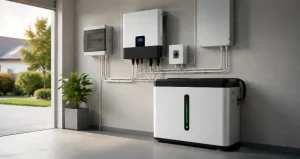
A complete solar solution consists of several important components. Solar panels capture sunlight and convert it into electricity. The inverter changes this electricity into a form that household appliances can use. Batteries store extra energy for later use, especially during load shedding.
For South African households dealing with frequent power interruptions, battery selection is often one of the most important decisions. A larger battery provides longer backup time but increases the upfront investment.
Lithium-ion batteries are popular because they generally offer longer lifespans, faster charging, and better performance compared with older battery technologies. Choosing the correct battery size is essential because an oversized system may waste money while an undersized system may not provide enough backup power.
Is Solar Cheaper Than A Generator In South Africa?
Generators can provide immediate backup power, but they come with ongoing costs. Fuel, maintenance, noise, and emissions are important factors to consider. Solar systems usually require a higher initial investment but have lower running costs after installation.
For households that experience regular load shedding, solar can become more economical over the long term. A generator may still be useful for specific situations requiring high power output, but solar provides a quieter and cleaner alternative for everyday backup needs.
Common Mistakes People Make When Buying Solar
One common mistake is buying a solar system based only on price. A cheaper installation may use lower-quality components that reduce reliability and long-term savings.
Another mistake is choosing a battery size without understanding actual energy consumption. Some homeowners focus on powering every appliance during load shedding, which can dramatically increase costs. A better approach is to identify essential loads and design a system around realistic needs.
Professional installation, quality equipment, and proper system planning often make a significant difference in long-term performance.
Frequently Asked Questions About Solar For Load Shedding In South Africa
1. Is solar worth installing in South Africa?
Solar can be worth installing in South Africa for many households because it can reduce electricity costs and provide backup power during load shedding. The value depends on electricity usage, installation costs, and how effectively the system is designed.
2. How long does a solar system take to pay for itself in South Africa?
The payback period commonly depends on system size, electricity savings, and equipment costs. Many residential systems may take several years to recover their initial investment, after which the generated electricity provides additional financial benefits.
3. Do solar panels work during load shedding?
Solar panels alone usually cannot power a home during load shedding unless the system includes a suitable inverter and battery storage. A battery allows stored solar energy to be used when the grid is unavailable.
4. How much does a solar system cost in South Africa?
The cost varies widely depending on household electricity needs, panel capacity, inverter type, battery size, and installation requirements. Smaller backup systems cost less, while full home energy solutions require a larger investment.
5. Are lithium batteries worth the extra cost?
Lithium batteries are often preferred because they provide efficient energy storage, longer operating life, and better performance. Although they usually cost more upfront, their durability can make them financially attractive over time.
6. Can solar completely eliminate electricity bills?
Some households can significantly reduce electricity bills, but completely eliminating grid dependence requires a carefully designed system with enough solar generation and battery storage. Many homes still remain connected to the grid for additional reliability.
7. How many solar panels does a South African home need?
The number of panels depends on household electricity consumption, available roof space, and sunlight conditions. An energy assessment can determine the correct panel capacity for a specific home.
8. Does solar increase the value of a home?
A professionally installed solar system may improve a property’s appeal because future buyers often value lower electricity costs and improved energy reliability. The impact depends on the local property market and system quality.
9. What maintenance does a solar system require?
Solar systems generally require limited maintenance. Regular checks, keeping panels clean, and monitoring system performance can help maintain efficiency and extend equipment life.
10. Should I install solar now or wait for prices to drop?
The decision depends on personal circumstances. Waiting may bring new technology improvements, but delaying also means continuing to pay higher electricity costs and dealing with ongoing load shedding without backup power.
Conclusion
Solar power can be a valuable investment for South African households facing load shedding, rising electricity prices, and energy uncertainty. While the upfront cost can be significant, the combination of electricity savings, backup power, and long-term energy independence makes solar attractive for many homeowners.
The best approach is to calculate your real energy needs, compare system options, and choose reliable equipment from experienced installers. A properly planned solar system is not only a backup solution but also a long-term investment in a more stable energy future.




Be First to Comment