Load shedding has changed the way many South African households think about electricity. A reliable solar system is no longer only about reducing monthly electricity bills; it has become a practical solution for keeping essential appliances running when the grid supply is interrupted. However, choosing the right solar installer can be challenging because installation quality, equipment selection, warranties, and after-sales support directly affect the long-term performance of your system.
Finding the best solar installers in South Africa requires more than comparing prices. A professional installer should understand local electricity conditions, recommend the correct system size, use quality components, provide transparent quotations, and offer proper technical support after installation. This guide explains what homeowners should look for when comparing solar companies, installation costs, warranties, and service quality.
Why Choosing The Right Solar Installer Matters In South Africa?
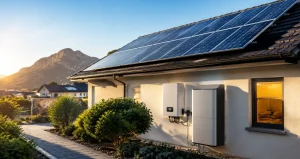
A solar installation is a long-term investment that can operate for more than a decade when designed and installed correctly. Poor workmanship, incorrect battery sizing, or unsuitable equipment choices can reduce system efficiency and create unnecessary repair costs. Experienced solar installers evaluate your household energy usage, roof position, backup requirements, and future electricity needs before recommending a solution.
South Africa has unique energy challenges, including frequent power interruptions and different municipal electricity structures. A trusted installer understands these factors and can design a system that provides reliable backup power while making efficient use of available sunlight.
What To Look For In A South African Solar Installer?
The best solar companies focus on technical expertise, transparency, and customer support rather than simply offering the lowest price. Before selecting an installer, homeowners should review several important factors.
First, check whether the company has experience with residential solar systems similar to your requirements. An installer who regularly works with homes, inverters, batteries, and grid-connected systems will usually provide better guidance than a company with limited practical experience.
Professional installers should also provide a detailed quotation explaining every component, including solar panels, inverter, batteries, mounting equipment, labour costs, monitoring systems, and installation requirements. A clear quotation helps you understand exactly what you are paying for.
Understanding Solar Installation Quotes And Pricing
Solar installation costs in South Africa vary depending on household electricity usage, system capacity, battery storage requirements, and equipment brands. A small backup system designed for lights, Wi-Fi, and essential devices will cost significantly less than a complete home energy solution capable of supporting larger appliances.
Many residential solar systems fall into different price ranges based on their size. Entry-level systems may focus on short backup periods, while larger systems with higher-capacity batteries provide longer independence from the grid. A professional installer should calculate your daily energy consumption instead of recommending a standard package without analysis.
When comparing quotes, avoid focusing only on the upfront price. A cheaper installation may use lower-quality components or provide limited support. The better approach is to compare value, including equipment quality, warranty coverage, installation standards, and long-term reliability.
Solar Equipment Quality: Panels, Inverters And Batteries
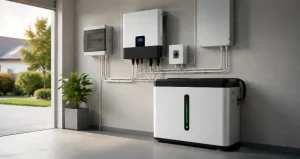
A solar system consists of several important components, and each part affects overall performance. Solar panels capture sunlight, inverters convert solar energy into usable electricity, and batteries store energy for use during outages or at night.
Reliable installers usually recommend equipment from established manufacturers with proven performance records. The inverter is especially important because it manages the flow of electricity between solar panels, batteries, household appliances, and the electrical grid.
Battery technology has also improved significantly. Modern lithium batteries are commonly preferred because they offer longer lifespans, better efficiency, and improved energy storage compared with older battery technologies. A knowledgeable installer should explain the advantages and limitations of each option based on your needs.
Warranty And After-Sales Support: What To Expect
Warranty terms are one of the most important parts of a solar investment. A reliable solar installer should clearly explain warranties for panels, inverters, batteries, and installation workmanship.
Solar panels often come with long product and performance warranties, while inverters and batteries usually have different warranty periods depending on the manufacturer. Installation workmanship warranties are also important because problems caused by incorrect installation may not be covered by equipment manufacturers.
Good after-sales support includes system monitoring assistance, troubleshooting, maintenance advice, and help when equipment issues occur. A company that disappears after installation can leave homeowners with expensive technical problems and limited options.
How Professional Solar Installers Assess Your Home?
A quality installation begins with a proper site assessment. Installers should inspect your roof condition, available space, shading patterns, electrical setup, and household energy consumption.
The installer should ask questions about your daily electricity usage, which appliances must remain operational during load shedding, and whether you plan to increase your energy consumption in the future. This information helps create a system that matches your actual lifestyle.
For example, a household that only needs emergency backup for essential electronics will require a different setup from a family wanting to run refrigerators, security systems, lighting, and selected high-power appliances during outages.
Common Mistakes To Avoid When Hiring A Solar Company
One common mistake is choosing an installer based only on the cheapest quotation. Solar equipment requires technical knowledge, and poor installation can reduce efficiency and shorten equipment life.
Another mistake is installing a system without understanding battery capacity. Some homeowners expect unlimited backup power but choose a battery that cannot support their requirements. A professional installer should explain realistic backup times based on energy usage.
It is also important to avoid companies that provide unclear quotations or cannot explain their equipment choices. Transparency is a key sign of a trustworthy solar provider.
Frequently Asked Questions About Solar Installers In South Africa
1. How much does a solar system cost for load shedding in South Africa?
The cost depends on the size of the system, battery capacity, inverter type, and household electricity needs. Smaller backup systems can be more affordable, while complete home solar solutions require a larger investment. A professional assessment is the best way to determine the correct budget because every household has different energy requirements.
2. How do I choose the best solar installer in South Africa?
Choose an installer with proven experience, detailed quotations, quality equipment recommendations, proper certifications where required, and strong after-sales support. Customer reviews and previous installation examples can also help you evaluate the company’s reliability.
3. Should I choose the cheapest solar quotation?
The cheapest quotation is not always the best choice. Solar systems are long-term investments, and lower prices may sometimes mean compromises in equipment quality, installation standards, or customer service. Compare the complete package rather than only the initial cost.
4. How long does a solar installation take?
Most residential installations can be completed within a few days, depending on system complexity, equipment availability, and site conditions. Larger systems may require additional planning, electrical work, and inspections before completion.
5. What warranty should I expect from a solar installer?
Warranty coverage depends on the equipment manufacturers and installer policies. Homeowners should review panel warranties, inverter warranties, battery warranties, and workmanship guarantees before signing an agreement.
6. Can solar completely eliminate load shedding problems?
A properly designed solar and battery system can significantly reduce the impact of power interruptions, but performance depends on system size, battery capacity, weather conditions, and electricity usage. A professional installer can design a system based on your backup expectations.
7. Do solar panels work during cloudy weather?
Solar panels can still generate electricity during cloudy conditions, although production may be lower compared with bright sunlight. Battery storage helps maintain power availability when solar production decreases or during nighttime hours.
8. How many solar panels does an average home need?
The number of panels depends on household electricity consumption, roof space, sunlight exposure, and desired energy independence. Installers calculate panel requirements after reviewing your electricity usage patterns.
9. Is battery storage necessary for a load shedding solar system?
Battery storage is usually important for backup power because solar panels alone cannot provide electricity when sunlight is unavailable. The correct battery size depends on which appliances you want to operate during outages.
10. How often does a solar system need maintenance?
Solar systems generally require limited maintenance, but periodic inspections can help maintain efficiency. Checking connections, monitoring system performance, and keeping panels clean can support reliable long-term operation.
Conclusion
Choosing the best solar installer in South Africa requires careful research beyond comparing prices. A reliable company should provide accurate system design, quality equipment, clear warranties, and dependable after-sales support.
By focusing on installation expertise, transparent quotes, and long-term value, homeowners can build a solar solution that provides greater energy security and confidence during load shedding.




Be First to Comment