Load shedding has changed the way many South African households think about electricity. A backup power system is no longer seen only as a luxury upgrade but as a practical investment for maintaining daily routines, protecting appliances, and reducing dependence on an unreliable power supply. However, one of the biggest questions homeowners face is not whether to install solar, but how to pay for it.
The two most common options are paying cash upfront or using a solar loan. Both methods have advantages and disadvantages, and the cheapest option depends on your financial position, electricity usage, and long-term goals.
A homeowner with available savings may benefit from avoiding interest costs, while another household may prefer financing to keep emergency funds available. Solar financing options in South Africa have expanded, giving consumers more flexibility when planning energy independence.
Understanding The Real Cost Of A Load Shedding Backup System
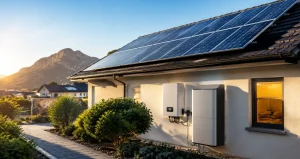
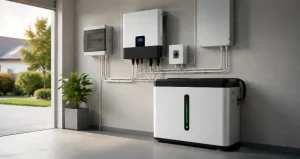
Before comparing solar loans and cash payments, it is important to understand what you are actually paying for. A complete load shedding backup system usually includes solar panels, an inverter, batteries, installation, protection equipment, wiring, and professional setup. The battery component often represents a significant portion of the cost because it determines how long essential appliances can operate during power interruptions.
For many South African homes, a basic backup solution may start with a smaller inverter and battery system, while a full solar setup capable of powering larger household loads requires a bigger investment. The cheapest option is not always the system with the lowest upfront price. Poor-quality components or incorrect sizing can create higher maintenance costs later.
Paying Cash For Solar: The Lowest Overall Cost Option
Paying cash is usually the most affordable option when comparing the total lifetime cost of a solar installation. The main reason is simple: there are no loan fees, interest charges, or monthly repayments. From the first day of installation, all electricity savings belong to the homeowner.
For financially prepared homeowners, cash payment can shorten the payback period because every rand saved on electricity directly contributes toward recovering the investment. It also provides full ownership immediately, making future upgrades or system changes easier.
Advantages Of Buying A Solar System With Cash
The biggest advantage is avoiding financing costs. A solar system purchased for cash may cost less over its lifetime compared with the same system purchased through a loan because interest payments are removed from the calculation.
Cash buyers also have stronger negotiating power. Installers often prefer straightforward transactions, and homeowners may have more flexibility when comparing different equipment options. They can focus entirely on choosing the best system rather than selecting a package based on monthly affordability.
Disadvantages Of Paying Cash
The biggest disadvantage is the large upfront expense. A solar installation can use a significant portion of household savings, leaving less money available for emergencies, education, business needs, or unexpected expenses.
A homeowner should avoid using every available cent for solar. A backup system provides energy security, but financial stability remains equally important.
Using A Solar Loan For A Load Shedding Backup System
A solar loan allows homeowners to install a system immediately while spreading the cost over several years. Instead of paying the full amount upfront, the homeowner makes regular monthly repayments while benefiting from reduced electricity costs.
This approach has become popular among South African households that want protection against load shedding but do not want to reduce their savings significantly. Many financial institutions offer financing solutions designed specifically for energy improvements.
Advantages Of Solar Financing
The biggest benefit of a solar loan is accessibility. A household may not have enough savings available today, but financing allows them to start saving on electricity immediately after installation.
Another advantage is preserving cash flow. Instead of spending a large amount at once, homeowners can keep money available for other priorities while gradually paying for the system.
For some households, the monthly electricity savings can help offset part of the loan repayment. The exact result depends on electricity consumption, system size, financing terms, and electricity tariff increases.
Disadvantages Of Solar Loans
The main disadvantage is that financing increases the total cost of the system. Interest charges mean the homeowner eventually pays more than the original installation price.
Loan terms should be reviewed carefully. A lower monthly payment may appear attractive, but a longer repayment period can significantly increase the total amount paid. Homeowners should compare the full repayment amount rather than looking only at the monthly instalment.
Solar Loan Vs. Cash: Which Option Is Cheaper In South Africa?
From a purely mathematical perspective, cash is usually the cheapest way to purchase a solar system because there are no borrowing costs. If you already have enough savings and can maintain a comfortable emergency fund, paying upfront generally provides the highest long-term financial benefit.
However, the cheapest option is not always the most practical option. A family that empties its savings account to avoid loan interest may create financial pressure later. In that situation, a well-structured solar loan could be the smarter decision.
The better question is not only “Which option costs less?” but also “Which option fits my financial situation?”
How To Decide Between Cash And Solar Finance?
Start by reviewing your current financial position. If paying cash will still leave you with enough savings for emergencies, it may be the better choice. If purchasing solar would remove your financial safety net, financing may provide a healthier balance.
Next, calculate your electricity usage. A larger household with high electricity consumption may benefit more quickly from solar savings than a small household with limited energy needs.
Finally, compare financing offers carefully. Look at interest rates, repayment periods, fees, and the total amount payable. The cheapest loan is not always the one with the lowest monthly payment.
Common Mistakes South Africans Make When Funding Solar Systems
One common mistake is choosing a system based only on price. A cheaper installation may not provide enough battery storage or inverter capacity for your needs. This can lead to disappointment during longer power outages.
Another mistake is ignoring future electricity needs. Families often add appliances, work from home, or install additional equipment later. A professional installer can help design a system that allows reasonable future expansion.
Some homeowners also focus only on the solar panels and forget about battery quality. During load shedding, battery performance is one of the most important factors affecting user experience.
Practical Tips Before Buying A Solar Backup System
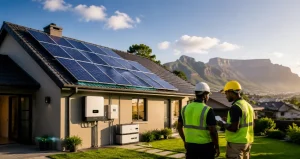
Get multiple quotes from qualified installers and compare equipment specifications rather than only comparing prices. Ask about warranties, installation quality, battery lifespan, and after-sales support.
A good installer should explain your expected energy production, backup capacity, and realistic savings. Avoid anyone promising unrealistic results because solar performance depends on many factors, including location, system design, and household usage.
Frequently Asked Questions
1. Is paying cash for solar cheaper than taking a solar loan in South Africa?
Yes, paying cash is generally cheaper because you avoid interest charges and financing fees. However, the decision depends on whether paying upfront affects your financial security. If using all your savings creates financial stress, a solar loan may be a more suitable option despite the additional cost.
2. Can solar savings cover my monthly loan repayment?
In some cases, electricity savings can reduce the impact of loan repayments, but results vary. The outcome depends on your current electricity bill, system size, loan terms, and future electricity price increases. A proper calculation should be done before making a decision.
3. How long does a solar backup system take to pay for itself?
The payback period depends on the installation cost, electricity usage, system performance, and financing method. Cash purchases usually reach payback faster because there are no interest costs, while financed systems may take longer.
4. Should I use my savings to buy solar or keep the money invested?
This depends on your personal financial situation. If your savings are earning less than the cost of solar financing, paying cash may make sense. However, keeping an emergency fund is important before making a large purchase.
5. Are solar loans available for residential properties in South Africa?
Yes, several financial institutions and energy providers offer financing options for residential solar installations. Available terms and requirements vary between providers, so homeowners should compare different offers.
6. Does buying solar increase my home value?
A professionally installed solar system can make a property more attractive to buyers because it offers lower electricity dependence and energy security. The exact impact on property value depends on location and market conditions.
7. Is a cheaper solar system always a better choice?
No. A low-cost system may use lower-quality components or provide insufficient backup capacity. A properly designed system with reliable equipment often delivers better value over many years.
8. What should I check before accepting a solar loan?
Check the interest rate, repayment period, total repayment amount, additional fees, warranty coverage, and whether the system remains fully owned by you. Understanding the complete agreement helps avoid unexpected costs.
9. Can I upgrade my solar system after buying it?
Many solar systems can be upgraded, but this depends on the inverter capacity, battery compatibility, and original design. Planning for possible future expansion during installation can make upgrades easier.
10. What is the best way to choose between solar cash payment and financing?
The best choice depends on your savings, income stability, electricity usage, and financial goals. Cash usually provides the lowest total cost, while financing provides flexibility and faster access to energy independence.
Conclusion
For South African homeowners, paying cash is usually the cheapest way to fund a load shedding backup system because it avoids interest costs. However, a solar loan can be a practical solution for those who want energy security without using all their savings.
The right choice depends on balancing long-term savings with personal financial comfort. A carefully planned solar investment can provide reliable backup power and greater control over household energy costs for many years.



Be First to Comment