Load shedding has changed the way many South African households and businesses think about electricity. Frequent power interruptions have increased interest in solar energy systems, but the biggest challenge for many people is not understanding solar technology. It is finding an affordable way to finance the installation. While solar panels can reduce dependence on the national grid over time, the upfront cost of purchasing panels, batteries, inverters, and installation services can be significant.
Solar panel financing has therefore become an important solution for homeowners who want energy independence without paying the entire cost upfront. South African banks, financial institutions, and solar providers now offer different financing options, including personal loans, home improvement loans, and specialised solar financing plans. Understanding these options, interest rates, repayment terms, and long-term savings potential can help consumers make better financial decisions.
Why Solar Panel Financing Has Become Popular In South Africa?
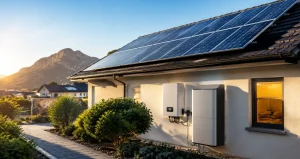
The growing impact of load shedding is one of the main reasons South Africans are exploring renewable energy solutions. A solar system allows households to generate electricity during the day and store excess power through battery systems for use when the grid is unavailable.
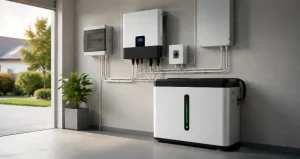
However, a complete solar installation is more than just buying solar panels. A reliable system usually includes photovoltaic panels, an inverter, batteries, mounting equipment, electrical protection components, and professional installation. Depending on the size of the property and electricity needs, costs can range from a smaller residential investment to a much larger commercial project.
Financing makes solar energy more accessible because homeowners can spread the cost over several years instead of making one large payment. The monthly repayment can sometimes be balanced against reduced electricity expenses, creating a more manageable transition to renewable energy.
Understanding The Cost Of A Solar System In South Africa
The cost of solar installation varies depending on electricity consumption, system size, equipment quality, and battery requirements. A small backup system designed mainly for essential appliances will usually cost less than a full household solution capable of powering most electrical needs.
Many South African households focus on installing systems that support important appliances during load shedding, such as lights, Wi-Fi routers, refrigerators, security systems, and selected electronic devices. Others choose larger systems to reduce their monthly electricity purchases from the grid.
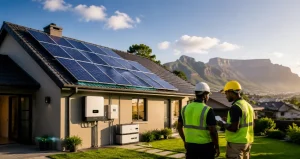
Before applying for financing, homeowners should receive a detailed quotation from an accredited solar installer. A professional assessment helps determine the correct system size and prevents consumers from borrowing more money than necessary.
Common Solar Panel Financing Options Available In South Africa
Personal Loans For Solar Installation
Personal loans are one of the most common ways South Africans finance solar projects. Banks and financial institutions provide funds that can be used for purchasing solar equipment and paying installation costs.
The advantage of a personal loan is flexibility. The borrower can choose the repayment period and use the funds with different solar providers. However, interest rates may vary depending on credit history, income, loan amount, and repayment term.
Home Improvement Loans
Some homeowners choose home improvement loans because solar installation can increase the value and functionality of a property. These loans are generally designed for upgrades such as renovations, energy efficiency improvements, and property enhancements.
Homeowners should compare the total repayment cost, interest rate, and loan conditions before choosing this option. A lower monthly payment does not always mean a cheaper loan if the repayment period is significantly longer.
Solar Financing Through Banks And Energy Providers
Several South African banks and renewable energy companies have introduced dedicated solar financing solutions. These options may combine equipment supply, installation, and financing into one package.
The benefit of specialised solar financing is convenience because customers may deal with one provider throughout the process. However, consumers should carefully review contract terms, ownership details, maintenance responsibilities, and warranty coverage.
South African Banks And Solar Loan Interest Rates
Solar loan interest rates in South Africa are not fixed for every customer. Banks usually determine rates based on factors such as credit score, income stability, existing debt obligations, loan amount, and repayment history.
In general, secured lending options may offer more favourable rates compared with unsecured personal loans because the lender has additional security. However, the best financing option depends on individual financial circumstances.
Consumers should compare the annual percentage rate, monthly instalment, initiation fees, administration charges, and total repayment amount rather than focusing only on the advertised interest rate.
How To Choose The Right Solar Financing Option?
The right financing choice depends on your electricity needs, financial position, and long-term goals. A homeowner who wants basic backup power during outages may require a smaller loan, while someone aiming for greater energy independence may need a larger investment.
Before signing a financing agreement, consider the following factors:
First, calculate your current electricity expenses and estimate how solar could reduce your monthly costs. Second, check whether your chosen installer provides quality equipment and reliable after-sales support. Third, understand the expected lifespan of panels, batteries, and other components.
A good financing decision should not create unnecessary financial pressure. Solar energy should improve household resilience without damaging overall financial stability.
Important Factors Before Taking A Solar Loan
Many consumers focus only on the monthly repayment amount, but there are other important considerations. A solar loan is a long-term financial commitment, so understanding the complete agreement is essential.
Check whether the loan allows early repayment without high penalties. Confirm whether installation costs are included. Ask about equipment warranties and whether repairs or replacements are covered.
It is also important to avoid choosing a system based only on the lowest price. Poor-quality equipment may result in lower performance, additional repair costs, and reduced savings over time.
How Solar Financing Can Help During Load Shedding?
The biggest benefit of solar financing is that it allows households to access backup electricity without waiting years to save enough money. During periods of frequent load shedding, having a reliable power source can improve daily life, productivity, and household security.
For many families, solar power supports essential activities such as working from home, studying, running small businesses, and maintaining communication during outages.
Although financing adds a monthly repayment obligation, the long-term value comes from improved energy reliability and potential electricity savings over the lifespan of the system.
Frequently Asked Questions About Solar Panel Financing In South Africa
1. Can I finance solar panels without paying the full amount upfront?
Yes, many South Africans finance solar installations through personal loans, home improvement loans, or specialised solar finance programs. These options allow homeowners to spread payments over several months or years instead of paying the complete installation cost immediately. The available financing depends on your income, credit profile, and the lender’s requirements.
2. Which banks offer solar financing options in South Africa?
Several major South African banks provide financing solutions that can be used for solar installations, including personal lending and home improvement finance options. Some banks also partner with renewable energy providers to make solar purchases easier. Customers should compare different offers because interest rates and repayment conditions vary.
3. Are solar loans worth it during load shedding?
A solar loan can be worthwhile for households that regularly experience power interruptions and want a more reliable electricity solution. The value depends on the system size, financing cost, electricity savings, and how long the equipment continues operating. A properly designed system can provide benefits for many years.
4. How much does a solar system cost in South Africa?
The cost depends on electricity usage, equipment quality, battery capacity, and installation requirements. Smaller backup systems are generally more affordable, while complete household solar solutions require a larger investment. Getting multiple professional quotations is the best way to understand realistic pricing.
5. Can I add solar panels to my home loan?
Some homeowners may have options to include energy improvements through home financing solutions, depending on their lender and financial situation. Adding solar to property financing may provide different repayment conditions compared with a separate personal loan.
6. What credit score is needed for solar financing?
Lenders usually review credit history, income, affordability, and existing financial commitments before approving solar financing. There is no single credit score that guarantees approval because each financial institution applies its own assessment process.
7. Should I finance solar panels or save money and buy them later?
The decision depends on personal circumstances. Financing allows immediate access to backup power, which can be valuable during frequent load shedding. Saving first avoids loan interest costs but may delay the benefits of having a solar system.
8. Do solar panels increase property value in South Africa?
Solar installations can make properties more attractive because energy reliability is becoming increasingly important for buyers. The impact on property value depends on the quality of the installation, system size, documentation, and local market conditions.
9. What should I check before choosing a solar installer?
Consumers should check installer experience, certifications, equipment warranties, customer reviews, and the quality of the proposed system design. A professional installer should provide clear information about installation, maintenance, and expected performance.
10. How long does it take to recover the cost of a solar system?
The payback period depends on electricity usage, system size, energy prices, financing costs, and equipment lifespan. Some households recover their investment faster because they consume more electricity and reduce larger electricity expenses, while others may take longer.
Conclusion
Solar panel financing has become an important pathway for South Africans who want protection against load shedding and greater control over their electricity supply. With options such as personal loans, home improvement finance, and specialised solar programs, homeowners can choose a solution that matches their budget and energy needs.
Careful research, comparing loan terms, selecting quality equipment, and working with trusted installers are essential steps toward making a successful solar investment. A well-planned solar system can provide reliable energy support and long-term value for South African households.



Be First to Comment