Load shedding has changed the way many South African households think about electricity. A few years ago, solar power was often considered a luxury investment, but today it has become a practical solution for families who want reliable power, lower dependence on the grid, and protection against unexpected outages. With improvements in solar technology and battery storage, more homeowners are asking one important question: how much does a solar system cost to beat load shedding in 2026?
The answer depends on several factors, including your home’s electricity usage, the number of appliances you want to keep running during outages, the size of the solar panels, inverter capacity, and battery storage requirements. A small backup system can keep essential devices operating, while a complete solar solution can power an entire home for extended periods.
In South Africa, installed home solar prices can vary widely, with many residential systems ranging from around R60,000 to more than R250,000 depending on the design and equipment selected.
Understanding Solar System Costs In South Africa In 2026
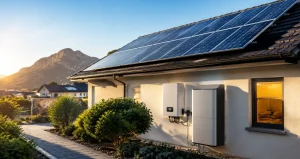
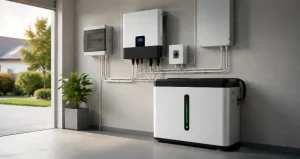
The cost of a solar system is not determined only by the number of solar panels installed. A complete system usually includes solar photovoltaic panels, a hybrid inverter, lithium battery storage, mounting equipment, protection devices, installation labour, and professional configuration. Each component plays an important role in how effectively your home handles load shedding.
For many South African homes, the most popular choice in 2026 is a hybrid solar system because it can use solar energy during the day, store extra electricity in batteries, and automatically switch to backup power when the grid fails. Industry estimates show that hybrid systems can range from smaller residential setups to premium installations costing several hundred thousand rand depending on battery size and household requirements.
Average Solar System Price Guide For Different Home Sizes
Choosing the correct solar system size is one of the most important decisions. Installing a system that is too small may leave you without enough backup power, while choosing an oversized system can increase costs unnecessarily.
Small Solar System: R60,000 To R100,000
A small solar solution is usually designed for essential appliances rather than powering the entire home. It may include a smaller inverter, a limited battery capacity, and several solar panels. This type of system is suitable for keeping lights, Wi-Fi routers, televisions, laptops, and small appliances running during load shedding.
This option works well for households that mainly want comfort during outages without making a large upfront investment.
Medium Home Solar System: R100,000 To R200,000
A medium-sized solar system is the most common choice among South African homeowners. It can usually support more appliances, including refrigerators, security systems, internet equipment, lights, and selected kitchen appliances.
A typical hybrid setup may include a 5kW inverter, multiple solar panels, and lithium battery storage. Some residential hybrid solutions with panels and batteries have been quoted around the R115,000 to R120,000 range depending on configuration.
Large Solar System: R200,000+
Large systems are designed for homeowners who want greater energy independence. These installations usually include higher-capacity inverters, larger battery banks, and enough solar panels to support heavier electricity usage.
Large homes with electric geysers, pool pumps, multiple air conditioners, and high daily electricity consumption often require this level of investment.
What Components Increase The Cost Of A Solar System?
Many people focus only on solar panels when calculating costs, but the battery and inverter often represent a significant portion of the total investment. Understanding each component helps homeowners make better decisions.
Solar Panels
Solar panels capture sunlight and convert it into electricity. The number of panels required depends on your electricity consumption and available roof space. Modern solar panels are more efficient than older models, allowing homeowners to generate more power from limited installation areas.
Hybrid Solar Inverter
The inverter is the central control system of a solar installation. It converts electricity generated by solar panels into usable household power and manages energy flow between solar panels, batteries, and the grid.
A higher-quality inverter can improve reliability, efficiency, and future expansion options. Choosing a trusted inverter brand is important because replacing this component later can be expensive.
Lithium Battery Storage
Battery storage is one of the biggest cost factors in a load shedding solution. Solar panels generate electricity during daylight hours, but batteries allow homeowners to use stored energy at night or during power interruptions.
Lithium batteries have become popular because they generally offer longer lifespan, better efficiency, and deeper usable capacity compared with older battery technologies.
Solar System Size You Need To Handle Load Shedding
The ideal solar system depends on what you want to power during an outage. A household that only needs basic electricity backup will require a much smaller system compared with a family wanting almost normal electricity usage during load shedding.
Before purchasing, homeowners should create a list of essential appliances and check their power requirements. Important items often include refrigerators, Wi-Fi equipment, security systems, lights, computers, and medical equipment where required.
Is Solar Worth The Investment In South Africa?
Solar power requires a significant upfront investment, but many homeowners consider it worthwhile because it provides energy security and can reduce electricity expenses over time. South Africa receives strong solar radiation compared with many regions, making rooftop solar a practical option for residential properties.
The financial value of solar depends on your electricity usage, system size, maintenance costs, and how effectively you use stored energy. A carefully designed system can provide benefits for many years when properly installed and maintained.
Common Mistakes To Avoid When Buying Solar
One common mistake is buying a system based only on the cheapest price. A low-cost installation may use lower-quality components or provide insufficient battery capacity for your needs.
Another mistake is installing solar panels without considering future electricity requirements. Many homeowners later add more appliances or want additional battery storage, so choosing an expandable system can be a smarter long-term decision.
Frequently Asked Questions About Solar System Costs In South Africa
1. How much does a solar system cost to stop load shedding in South Africa?
The cost depends on your home’s electricity needs. A basic backup system may cost around R60,000, while a complete home solar solution with larger batteries and higher capacity equipment can exceed R200,000. The best approach is to design the system according to your essential appliances and daily electricity usage.
2. Can solar panels alone run a house during load shedding?
Solar panels alone usually cannot provide electricity during a power outage because most grid-connected systems automatically shut down for safety reasons. A battery and suitable inverter are normally required to provide backup electricity when the grid supply is unavailable.
3. How many solar panels do I need for my home?
The number of solar panels depends on your electricity consumption, roof space, panel efficiency, and the amount of sunlight available. A professional installer normally reviews your electricity bills and performs a site assessment before recommending the correct number of panels.
4. What is the best battery for a solar system in South Africa?
Lithium batteries are currently a popular choice because they provide efficient energy storage, longer operating life, and better performance compared with many traditional battery options. However, the best battery depends on your budget, backup requirements, and system design.
5. Can solar power run appliances like fridges and TVs during load shedding?
Yes, a correctly sized solar system with battery storage can power appliances such as refrigerators, televisions, lights, Wi-Fi routers, and computers during outages. Larger appliances require a bigger inverter and more battery capacity.
6. How long does a solar battery last?
Most quality lithium solar batteries are designed to provide many years of service. Actual lifespan depends on usage patterns, charging cycles, installation quality, temperature conditions, and regular system monitoring.
7. Do I need Eskom electricity if I install solar?
Many homeowners continue using grid electricity because it provides additional support when solar production is low or battery storage is depleted. A hybrid system allows you to combine solar energy, battery storage, and grid power efficiently.
8. Can I install solar gradually to reduce costs?
Yes, many homeowners start with a smaller system and expand later. Choosing an inverter and installation design that supports future upgrades can make gradual expansion easier and more affordable.
9. How much maintenance does a solar system require?
Solar systems generally require limited maintenance. Regular panel cleaning, checking system performance, and occasional professional inspections can help maintain efficiency and extend equipment life.
10. Should I buy a solar system in 2026 or wait for prices to drop?
The decision depends on your current electricity situation and personal needs. While technology continues improving, electricity costs, equipment availability, and household requirements should also be considered. For many South African families, the value comes from having reliable electricity when it is needed most.
Conclusion
A solar system can be a practical long-term solution for South African households looking to reduce the impact of load shedding. In 2026, costs can range from affordable backup solutions to complete home energy systems depending on your electricity needs.
The best investment is not always the largest system, but the one that is correctly designed for your lifestyle, budget, and future energy goals.



Be First to Comment